
Last updated November 24, 2026
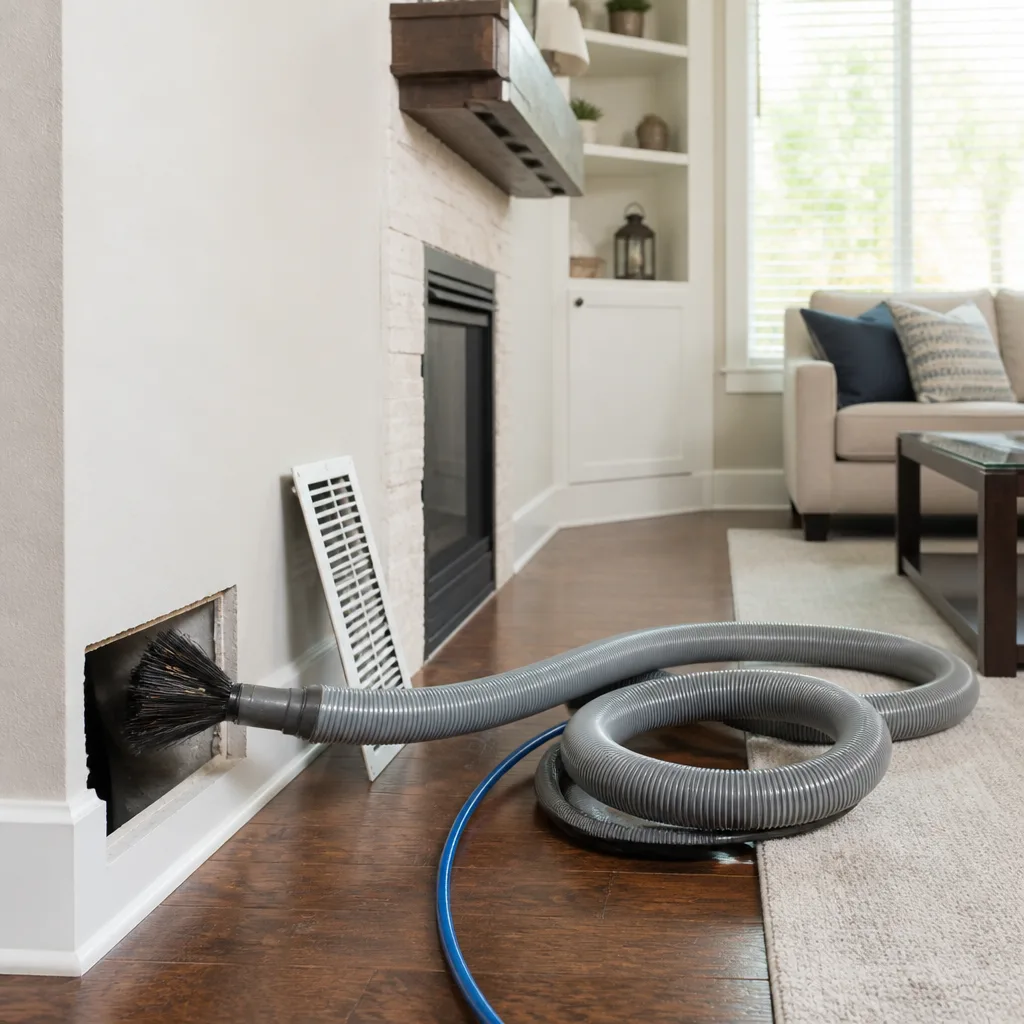 Whole-home duct cleaning
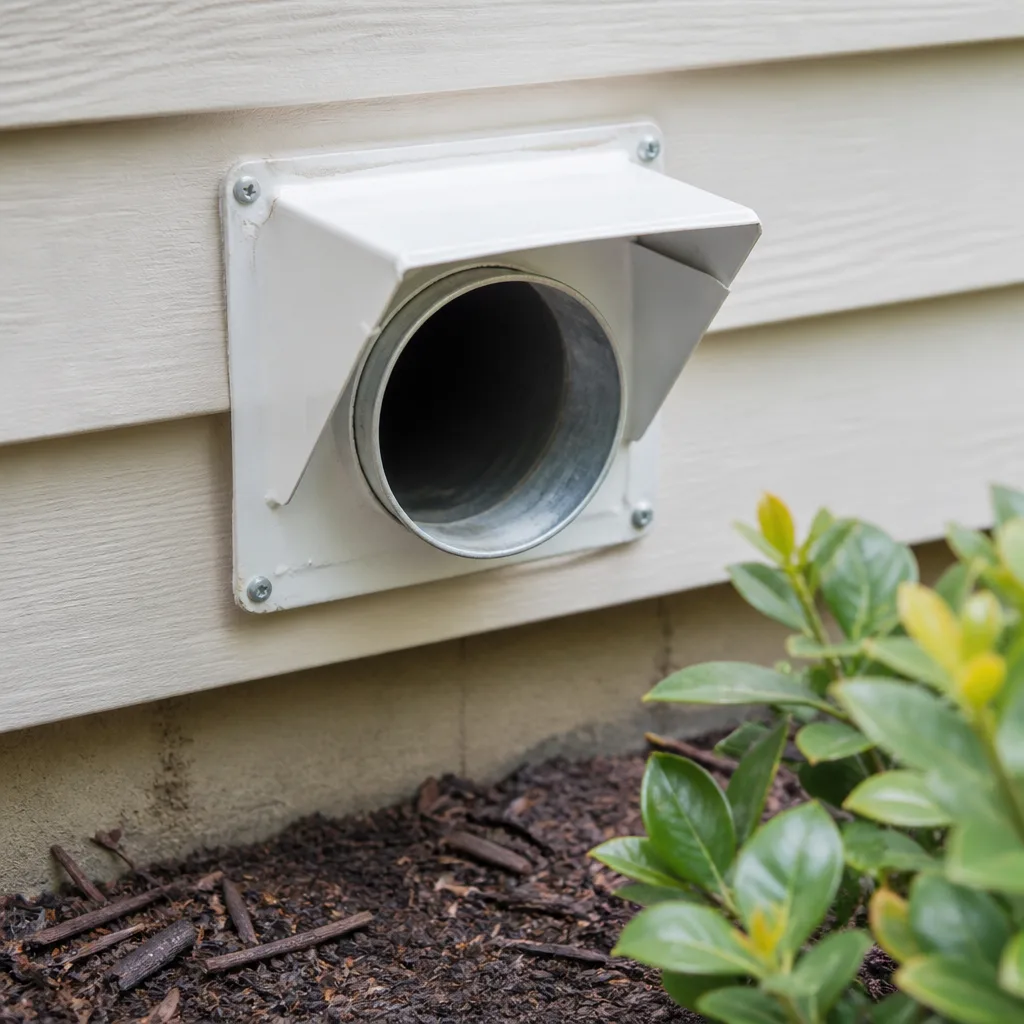 Dryer vent cleaning
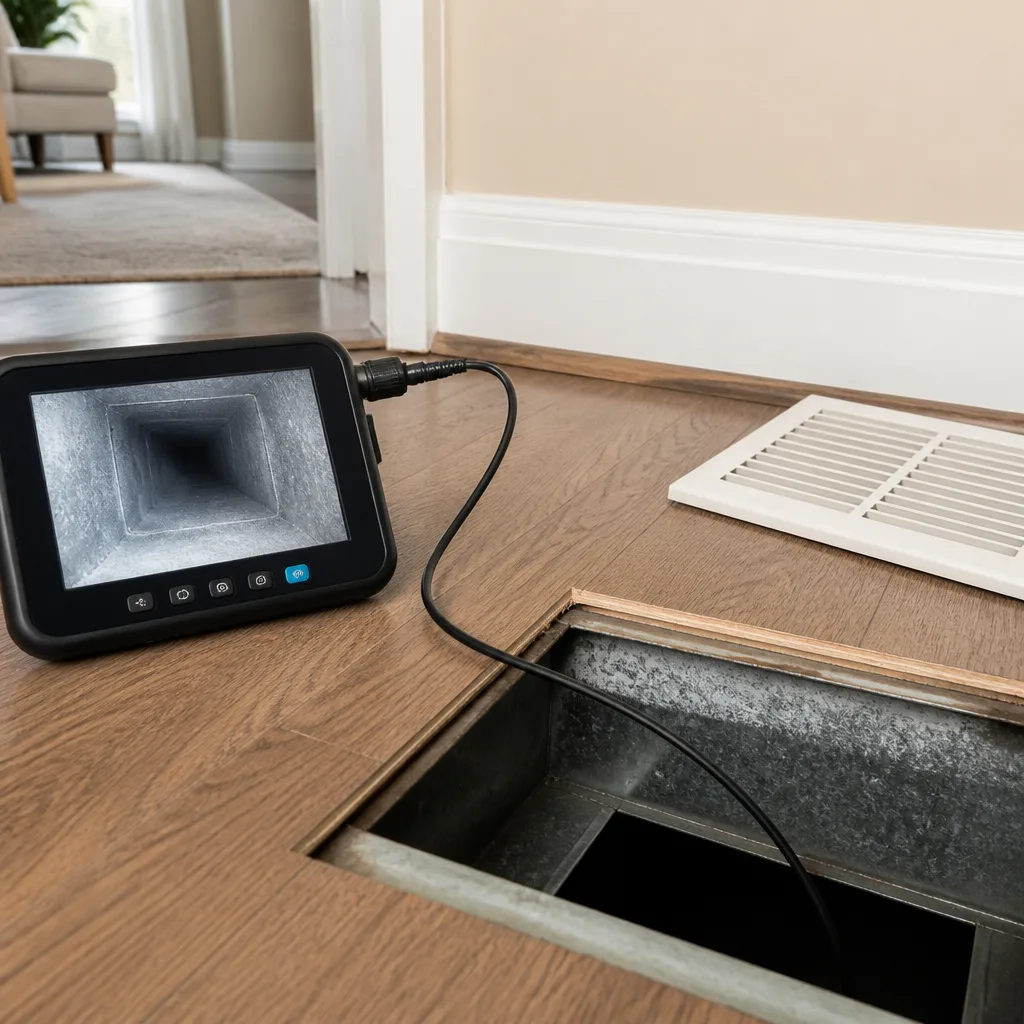 Camera inspection
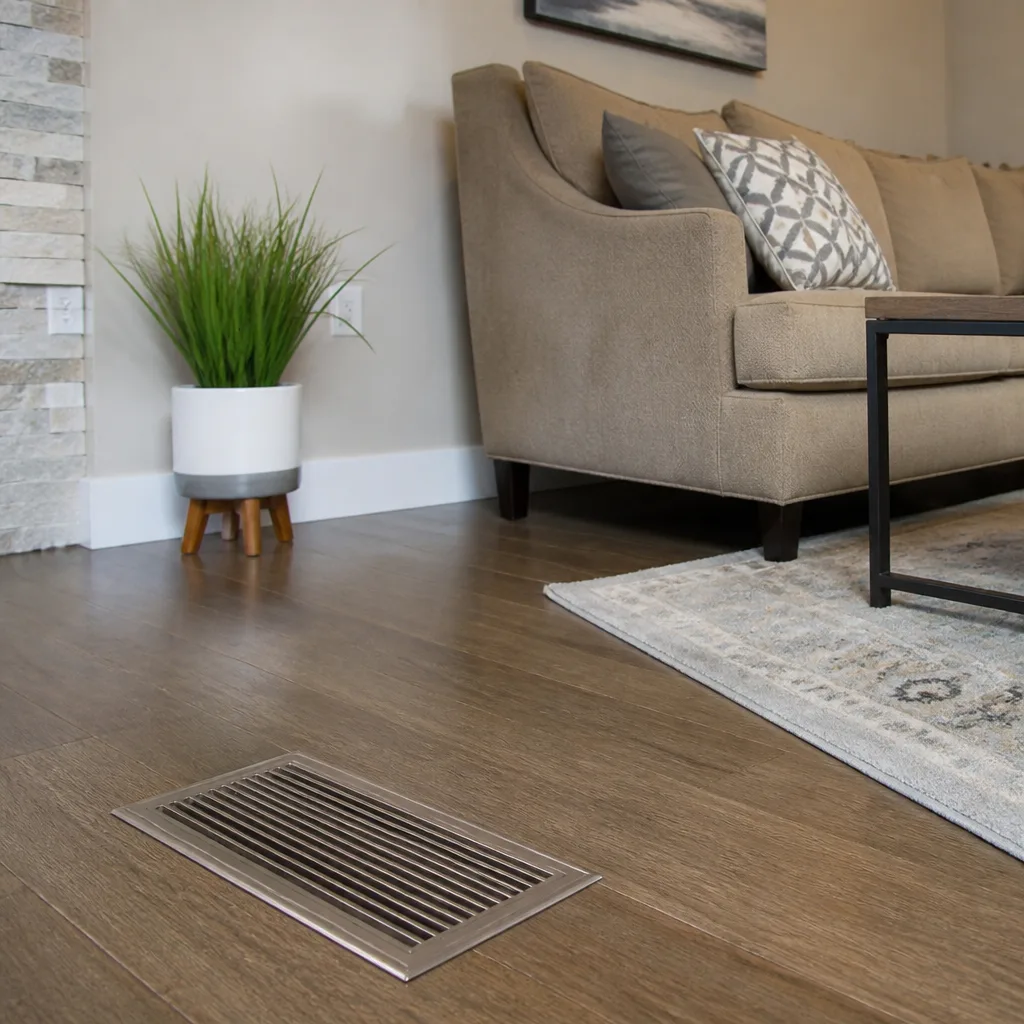 Sanitizing & deodorizing
Whole-system duct and dryer vent check with before-and-after photos - you see exactly what came out of your vents
That "$99 whole-house special" is a bait ad - the real number appears once they are in your hallway, or the "clean" is a shop-vac at the register. We photograph the inside of your ducts before and after instead.
Seasonal Air Duct Cleaning Care for Green Lake: Year-Round Homeowner’s Guide
Most homeowners in Green Lake assume a single duct cleaning, done once, covers them for the year. That assumption breaks down here faster than almost anywhere in the city. Green Lake sits within a mile of one of Seattle’s most heavily wooded urban parks, and the tree canopy, the wet season, and the smoke drift off Puget Sound each push your duct system in a different direction. What your ducts collect changes month to month, and the response should change with it. This guide walks through the four seasonal stress periods Green Lake homes actually face, what each one does to your system, and how to stagger filter changes, coil inspections, and full cleanings across a three-year cycle so nothing gets missed.
Quick Answer
Year-round duct care in Green Lake means responding to four distinct seasonal stress periods: fall and winter condensation that feeds mold and biofilm in crawlspace duct runs, April and May pollen from the Green Lake Park tree canopy, summer wildfire smoke infiltration off Puget Sound, and the late-winter efficiency crunch when restriction buildup shows up in HVACT runtime. A full duct cleaning every two to three years, filter changes timed to each season, and an annual return-side inspection after any smoke event cover the cycle. Cleaning alone doesn’t fix damaged ductwork, so sealing and repair belong in the same plan.
Styles & brands we work with
- Whole-home duct cleaning
- Dryer vent cleaning
- Camera inspection
- Sanitizing & deodorizing
Table of Contents
- Fall and Winter: The Wet-Season Condensation Problem in Green Lake Ducts
- Spring in Green Lake: Why the Park’s Tree Canopy Loads Your Ducts with Pollen
- Summer: What to Do After a Puget Sound Wildfire Smoke Event
- What Your HVAC Runtime Data Reveals About Seasonal Restriction Buildup
- The Green Lake Three-Year Duct Care Cycle
- A Season-by-Season Filter and Inspection Plan for Green Lake Homes
- What Professional-Grade Duct Cleaning Actually Involves
- Common Mistakes to Avoid
- When to Call a Professional
- Frequently Asked Questions
Fall and Winter: The Wet-Season Condensation Problem in Green Lake Ducts
Seattle’s wet season does something to ductwork that dry-climate guides never address. In Green Lake, the stretch from October through March brings persistent rain, high outdoor humidity, and cool, still air. Crawlspace duct runs are where this becomes a real problem. A run of flex or poorly insulated rigid duct sitting in a damp crawlspace stays colder than the duct interior carrying warm air from the furnace. Moisture condenses on the inside of that duct wall. That film of moisture is what feeds mold, mildew, and biofilm.
The duct itself isn’t the only issue. Duct insulation that has sagged, torn, or separated at a joint lets that surface get cold, and it also opens a gap that pulls crawlspace air with all its moisture straight into the system. Older Green Lake homes – and much of the housing stock surrounding the park is older, with original crawlspaces still active as duct pathways – are more likely to have these gaps because the insulation has had more years to degrade.
What to watch during the wet season:
- A musty or earthy smell in the house, particularly on first run of the furnace in the morning, that fades as the day warms up.
- Visible condensation, rust, or water staining at duct joints, especially where a duct transitions from a warm zone into a cold crawlspace.
- Peeling, sagging, or wet insulation along any crawlspace run.
- A recurring odor that returns even after you’ve cleaned air registers and vacuumed.
If you catch these signs early, the fix is containment and repair, not just cleaning. Ducts that stay wet will refoul within a season of a cleaning. That’s why our approach uses Abatement Technologies containment and negative-pressure equipment in these conditions, and why we treat duct repair and sealing as part of the same job rather than a separate referral. Cleaning the system and then closing the gaps that let moisture back in gives you a result that holds through the rain, not one that resets by the next wet season.
Spring in Green Lake: Why the Park’s Tree Canopy Loads Your Ducts with Pollen
Green Lake Park and the surrounding residential canopy – maples, alders, cedars, and the street trees along the streets that ring the lake – produce a pollen load that peaks sharply in April and May. This is not a mild seasonal bump. If you live within the ring of streets closest to the park, your outdoor air carries a heavy particulate load for roughly six weeks. Every time your windows open, every time you come in and out, and every time the HVAC system draws return air from a house that has any fresh-air intake or envelope leakage, some of that pollen rides into the return-side ductwork and settles.
The pollen settling isn’t the whole story. Pollen fines are small enough to stay airborne in the airstream, which means they get carried past the filter and deposit on the blower wheel, the evaporator coil face, and the interior wall of the return plenum. Coil face and blower wheel contamination is where the efficiency cost comes from. A dirty blower moves less air and a dirty coil transfers less heat, so the system has to work longer to hit the thermostat setpoint. Both show up before you notice anything wrong from the filter.
What actually adjusts for the Green Lake pollen window:
- Match the MERV rating to the season, not the year. A MERV 8 filter is adequate for a low-load home most of the year, but during April and May the Green Lake canopy is heavy enough that stepping up to MERV 11 or MERV 13 reduces what reaches the return-side ductwork and coil face. Check that your equipment can handle the higher pressure drop before you upgrade; a filter that’s too restrictive starves the blower.
- Change the filter at the start of pollen season and again at the end. Two changes around the six-week window rather than one change in the middle.
- Inspect the return-side ductwork after the season. Pollen collects there first because that’s the return path. A full system inspection at the end of May tells you whether it accumulated past the point of a filter change alone.
If you want filtration that adjusts for the season without the guesswork of filter shopping, we install Honeywell and Aprilaire air quality components – filtration and purification equipment that lets you match the system to the seasonal load rather than accepting a single filter across the year. The same technicians who clean the system can fit the upgrade, so the work happens once.
Summer: What to Do After a Puget Sound Wildfire Smoke Event
Wildfire smoke reaches the Puget Sound region from fires well outside the state, and it settles across Green Lake as a persistent haze that can last for days. When that smoke clears, most homeowners close the windows, replace the air filter, and assume the duct system is clean. That assumption skips the two places that matter most: the return-side ductwork and the blower compartment.
Smoke isn’t just particulate. It carries the odor compounds from combustion, and those compounds settle on interior duct surfaces where they can persist long after the visible smoke clears. A standard filter catches larger particulates but does nothing about settled odor compounds in the return plenum or the blower wheel. That’s why a house can smell like smoke for weeks after the air outside has cleared.
What to do after a smoke event in Green Lake:
- Change the filter, but don’t stop there. Replace the filter, then inspect the return-side duct opening. If the interior surfaces there look or smell affected, a filter change won’t clear it.
- Schedule a return-side inspection. The return ductwork is the first surface smoke contacts inside the system. That’s the inspection point.
- Consider activated carbon filtration for the smoke season. Carbon filtration is the right tool for the odor compounds that standard pleated filters don’t capture. We install Honeywell and Aprilaire systems that include carbon options, and the timing of a carbon filter is specific to the smoke season rather than year-round.
- Look for signs the smoke has moved past the filter. Soot or fine gray deposits at the blower compartment or on the coil face indicate the smoke reached the mechanical side, not just the filter.
If the smoke event was severe and the system was running while the smoke was at its heaviest, a full-system cleaning is the more reliable response than a filter change alone. That’s where professional equipment matters. Nikro HEPA-filtered vacuum equipment captures the smoke-related particulates as they’re dislodged rather than recirculating them through the house during the cleaning itself. The cleaning should reduce what’s in the house, not redistribute it.
What Your HVAC Runtime Data Reveals About Seasonal Restriction Buildup
A smart thermostat’s runtime data is one of the most useful diagnostic tools a Green Lake homeowner already has and rarely reads. Runtime tells you how many minutes per hour the system is running to hold a setpoint. If that number trends upward across a season – and the outdoor temperature isn’t the explanation – restriction buildup somewhere in the air path is the likely cause. Restriction doesn’t just mean a clogged filter. It can also mean a partially collapsed duct run in the crawlspace, a flex duct that’s sagged and pinched against a joist, or a return-side build-up that’s restricting airflow at the return.
What to look for:
- Compare the same month year over year. If August runtime this year is noticeably higher than August last year at the same setpoint, that’s a trend to explain.
- Look for a step change, not a gradual drift. A sudden jump often points to a mechanical restriction – a sagged duct run, a damper that’s shifted – more than a slow accumulation of dust.
- Cross-check against the filter change date. If runtime improves right after a filter change and then degrades again over weeks, your filter is undersized for the load. During Green Lake’s pollen window in particular, that pattern points to seasonal load rather than a duct problem.
- Note what happens after the smoke season. A runtime increase that follows a Puget Sound smoke event is a real signal that the return-side ductwork is restricted.
Runtime data doesn’t tell you exactly where the restriction is, but it tells you something changed and roughly when. That’s enough to schedule an inspection at the right time rather than guessing. If you don’t have a smart thermostat, the equivalent is a manual log: note the setpoint, the outdoor temperature, and roughly how long the system runs on a typical day, once each season. Over a year you’ll have a pattern. The pattern will point you toward the right service and away from unnecessary ones.
The Green Lake Three-Year Duct Care Cycle
The most common mistake we see in Green Lake is treating duct care as an annual event. That’s either more frequent than necessary – a well-maintained system doesn’t need a full cleaning every year – or less comprehensive than necessary, because a single cleaning doesn’t address the seasonal problems the system faces. The better model is a three-year cycle that spaces out the major tasks and slots the smaller ones into the seasons where they actually make sense.
Here’s how we’d structure it for a typical Green Lake home:
- Year one, fall: baseline full-system cleaning and inspection. A full cleaning using Rotobrush rotary brush agitation and Nikro HEPA-filtered extraction establishes a clean baseline. During the same visit, the return-side ductwork, crawlspace runs, and duct insulation get a full inspection. Anything damaged gets flagged for repair.
- Year one, spring: pollen-season filter changes. Two filter changes bracketing April and May. No full cleaning.
- Year two, spring or summer: coil and blower inspection. A visual inspection of the evaporator coil face and blower wheel. If either shows contamination from pollen or smoke, that’s the year for coil and blower cleaning. If not, defer.
- Year two, fall: duct repair and sealing if needed. If the year-one inspection flagged gaps at joints or degraded insulation, this is the year to close them. Sealing before the next full cleaning means the cleaning result lasts longer.
- Year three, fall: second full-system cleaning. Back to a full cleaning, ideally just before the wet season so the system starts the damp months clean and dry.
- Year three, any season: duct repair follow-up. Any damaged ductwork identified during the two prior inspections gets addressed here rather than deferred again. Duct repair deferred repeatedly is how small gaps become system-wide problems.
- Ongoing, every year: the smaller seasonal tasks. Filter changes per the seasonal plan below, and an inspection after any significant wildfire smoke event, regardless of where you are in the cycle.
Two things make this cycle different from a generic “clean every year” recommendation. First, it accounts for the specific stress periods Green Lake faces – the wet-season condensation in crawlspace runs, the pollen window, the smoke season – and puts work in the seasons where it does the most good. Second, it treats duct repair and sealing as part of the cycle rather than an add-on. Cleaning a system with gaps and degraded insulation is a partial job. The gaps are where dirt, moisture, and smoke re-enter.
The three-year cycle also stretches the cost of a full cleaning across a much longer window. Prices are set per job by the written estimate, and skipping an unnecessary annual cleaning puts that budget toward the tasks that actually change the outcome – sealing, filtration, and the coil and blower work that only some homes need.
A Season-by-Season Filter and Inspection Plan for Green Lake Homes
What follows is the practical schedule we’d suggest for a Green Lake home with standard forced-air heating and cooling. Adjust the months to your system type and the tree canopy on your specific street.
- January and February (wet season peak): Check the filter once, replace if loaded. Inspect any crawlspace duct run you can access for condensation, wet insulation, or rust at joints. This is the highest-risk window for moisture problems.
- March: Filter change before pollen season starts. If you’re going to step up the MERV rating, do it now.
- April and May (pollen peak): Check the filter every three to four weeks. Replace as needed. Higher MERV during this window. End-of-May inspection of the return-side ductwork if you notice compromised air quality or rising runtime.
- June: Post-pollen filter change. If any smoke event occurred during the preceding months, schedule a return-side inspection now.
- July and August (smoke season): Fresh filter. If a smoke event occurs, replace the filter afterward and inspect the return-side. Carbon filtration if smoke odor persists after the filter change.
- September: Post-summer filter change. Fall-preparation inspection if the spring or summer inspections flagged anything unresolved.
- October, November, December: Wet-season inspection of crawlspace runs. Replace the filter and check again for condensation and bio-growth. If it’s the year for a full cleaning, this is the right window – before the wettest months.
The general principle is simple: filter changes track the seasonal particulate load, and inspections track the seasonal risk. Pollen drives the spring filter changes; smoke drives the summer inspection; wet-season condensation drives the fall and winter crawlspace checks. If you’re not sure where your system sits in the cycle, the free estimate is a reasonable starting point. Call (877) 820-8098 to schedule one in Green Lake.
What Professional-Grade Duct Cleaning Actually Involves
A meaningful cleaning does two things at once: it dislodges what’s adhered to the duct walls, and it captures what’s dislodged. Most underperforming cleanings fail one or the other. A shop-vac approach can pull loose dust but doesn’t aggressively dislodge what’s stuck to the duct wall, particularly in a return-side run that’s collected pollen over years. And a cleaning that dislodges without HEPA capture simply redistributes the debris into the airstream during the visit.
What our process actually uses:
- Rotobrush rotary brush agitation. A rotating brush system that works mechanically on the duct wall to dislodge adhered material. The same platform commercial IAQ contractors use for duct cleaning on commercial-scale systems.
- Nikro HEPA-filtered vacuum extraction. Simultaneous extraction with HEPA filtration captures the dislodged material at the source. The point is that the debris leaves the system rather than cycling through the house.
- Abatement Technologies containment and negative-pressure equipment. On systems where contamination risk is elevated – a system with suspected biological growth in crawlspace runs, or post-construction debris – negative pressure keeps the contaminated side sealed from the occupied space during the work.
- Honeywell and Aprilaire filtration and purification integration. When the right answer is upgrade, not just cleaning, the filtration components are installed by the same crew.
- Guardsman-grade protective treatments. Applied as part of sanitizing, extending the result beyond the visit.
We also handle duct repair and sealing in-house. That matters because cleaning a system with failed joints or sagged insulation doesn’t hold. The gap puts new dirt, moisture, and smoke into the system the moment the cleaning is finished. Doing the repair and sealing as part of the same visit means the cleaning result survives the season that follows. If you want a system cleaned and verified rather than cleaned cosmetically, air duct cleaning in Green Lake covers the full process from inspection through repair and verification.
Dryer vents and the broader HVAC system are part of the same air-quality picture. Dryer vent cleaning removes the heat source and lint accumulation that represent a separate fire and efficiency risk, and dryer vent cleaning done in the same visit is straightforward when the equipment is already on site. HVAC cleaning covers the mechanical side – blower wheel, coil face, and the components that carry the air path beyond the ducts themselves. Both live on the same seasonal cycle as duct work in Green Lake homes.
See the difference
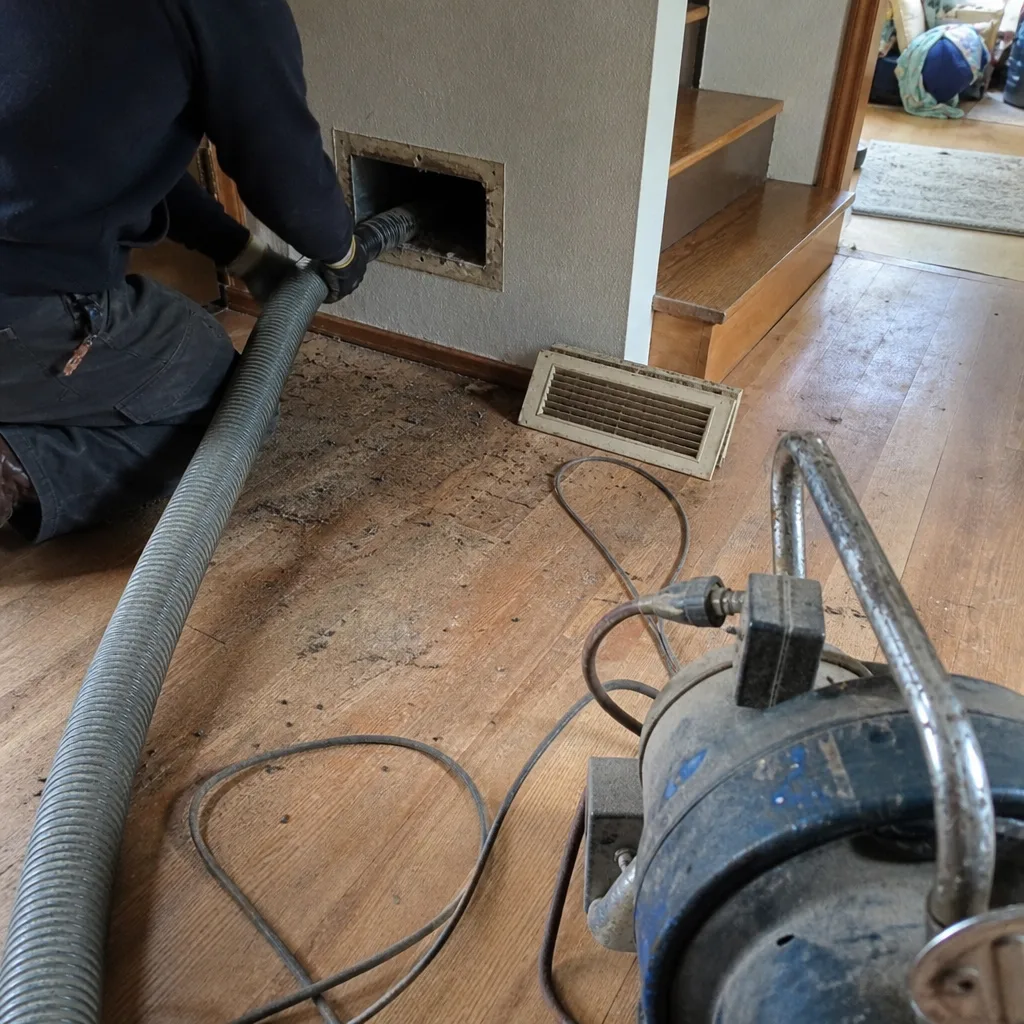 Before
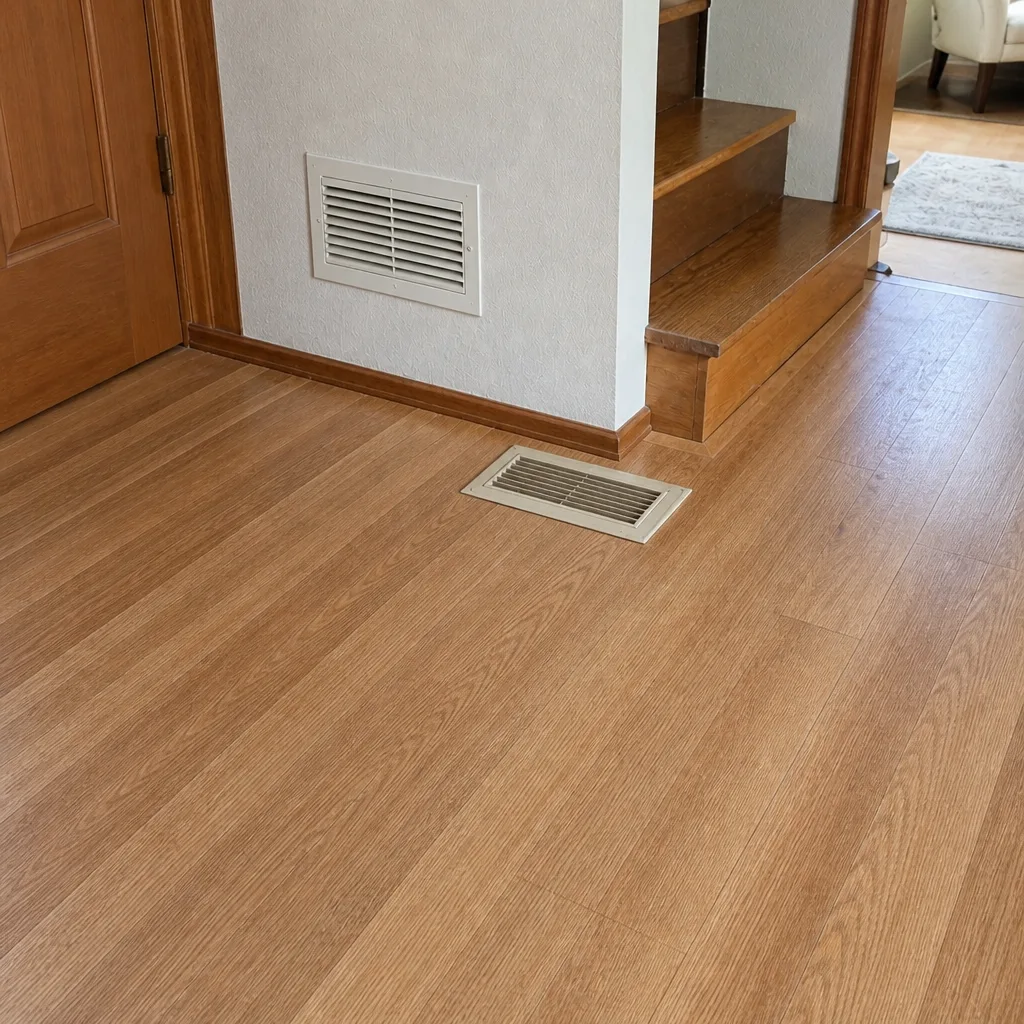 After
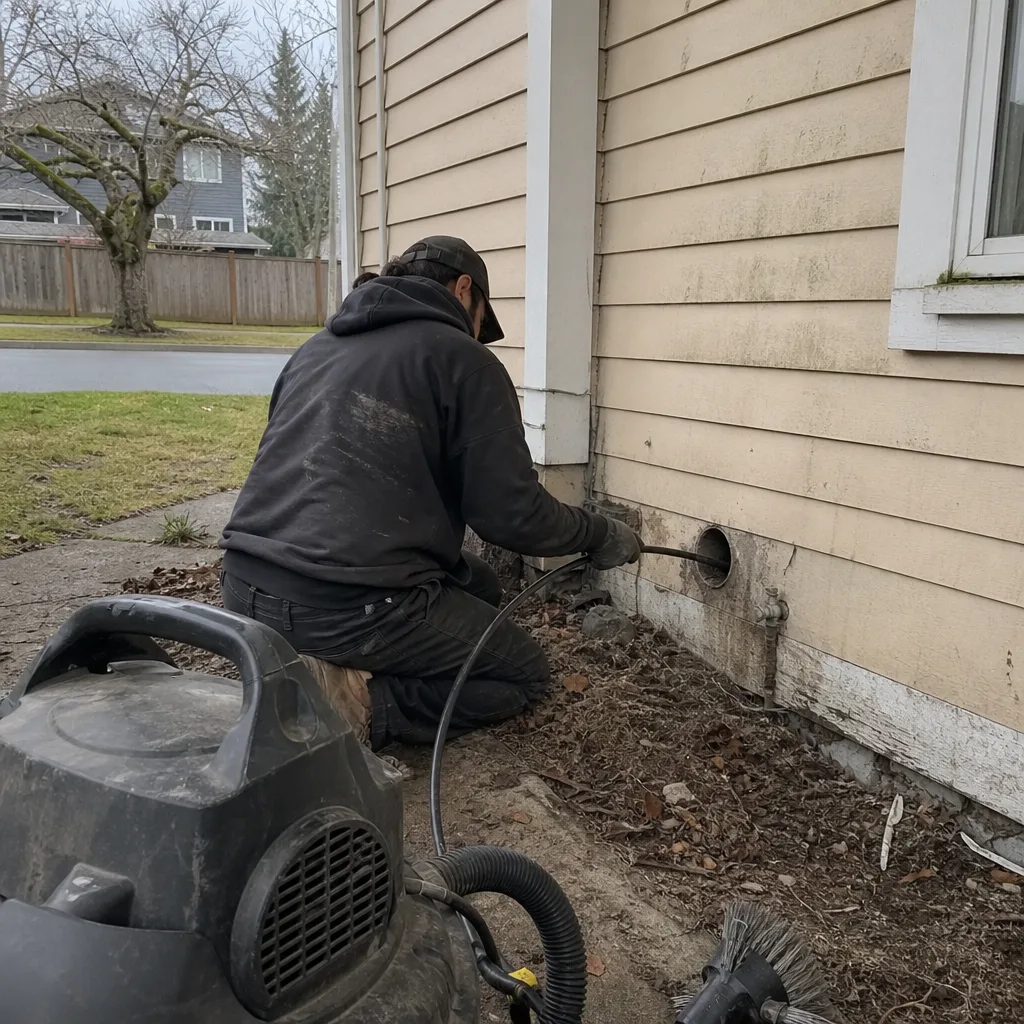 Before
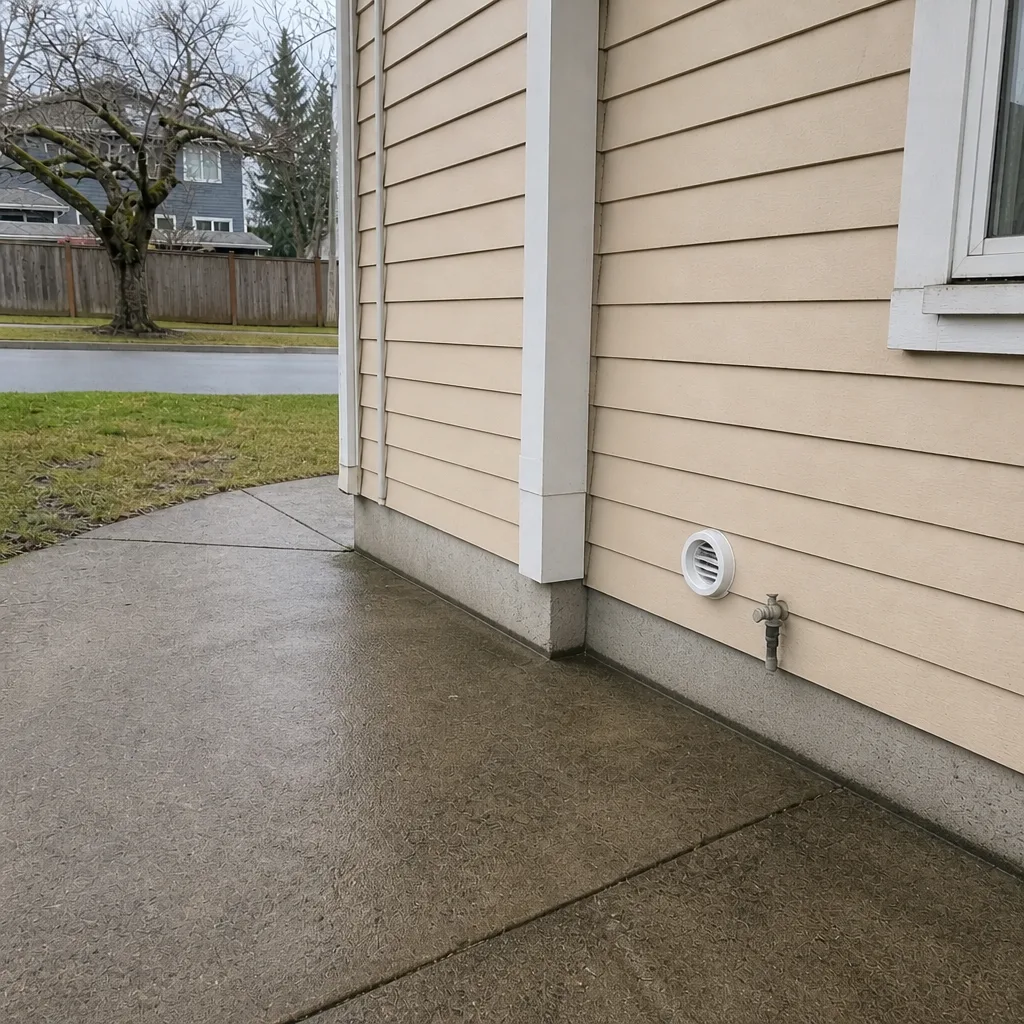 After
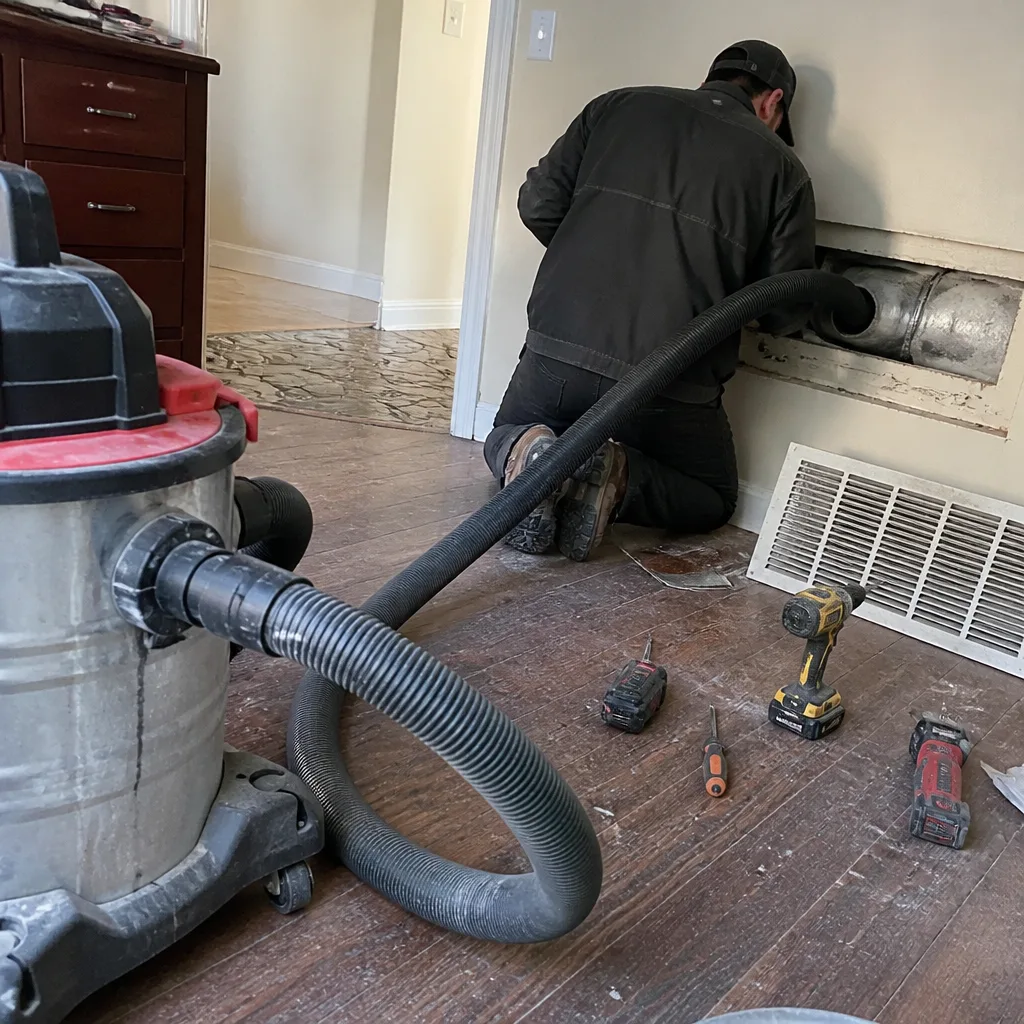 Before
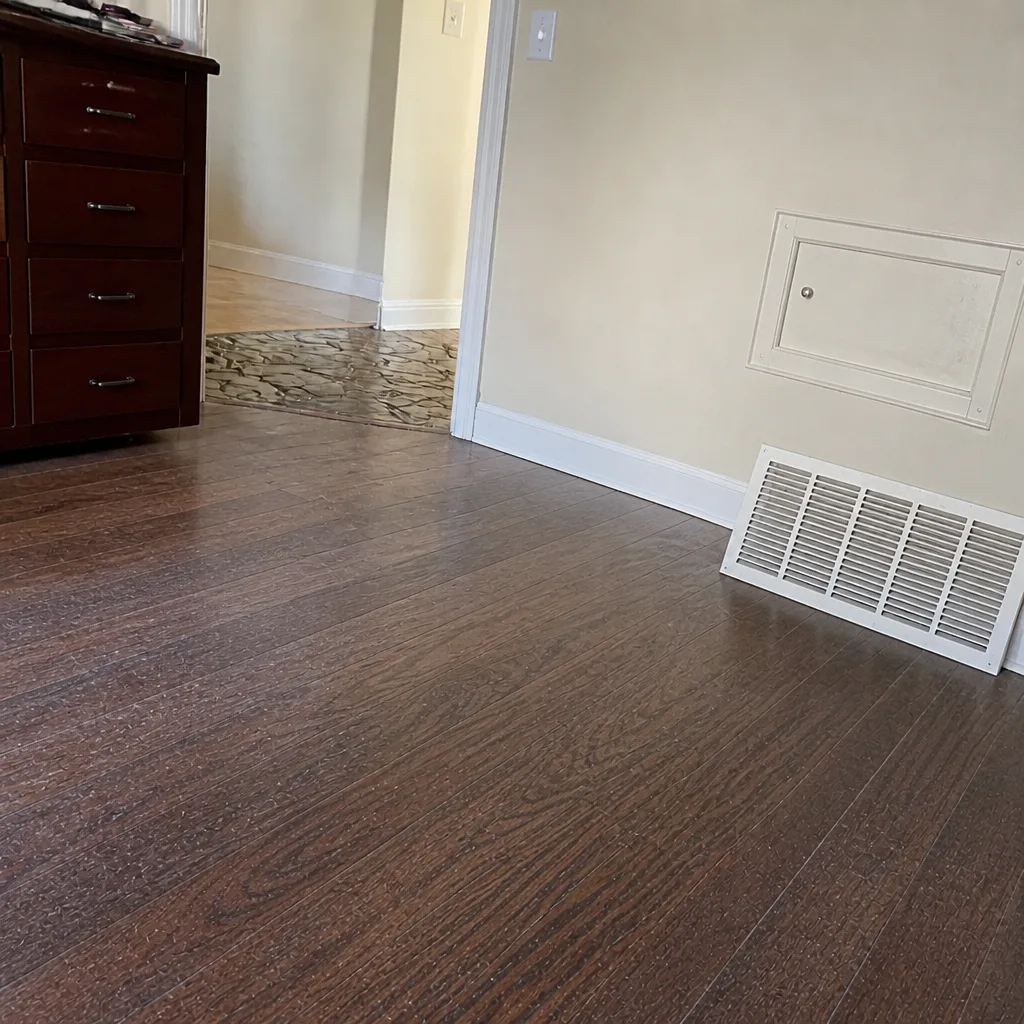 After
Common Mistakes to Avoid
- Treating duct cleaning as an annual box to tick. A full cleaning every year is more than a well-maintained Green Lake system needs, and it crowds out the work that does change outcomes – sealing, filtration, coil inspection. A three-year cycle with seasonal filter and inspection tasks between is a better fit.
- Cleaning without inspecting the ductwork for damage. The cleaning looks successful the day it’s done, then degrades within a season because the gaps at joints or the sagged insulation are still there. The inspection has to happen in the same visit as the cleaning.
- Skipping the wet-season crawlspace check. Fall and winter condensation in crawlspace duct runs is the highest-risk issue in Green Lake, and it’s the one that’s invisible from inside the house until the smell arrives. A visual inspection each fall catches it early.
- Using a standard pleated filter during the Green Lake pollen season. MERV 8 is fine most of the year, but April and May near the park carry a load that a lower-MERV filter passes straight to the coil face and return plenum. Match the MERV rating to the season if the equipment can handle the pressure drop.
- Assuming a filter change after smoke clears the duct system. Wildfire smoke odor compounds settle in the return-side ductwork and on the blower wheel. A filter change misses both. A return-side inspection is the correct first move.
- Using a shop-vac in the ducts instead of professional equipment. Shop-vac approaches dislodge unevenly and capture weakly. Rotobrush rotary agitation combined with Nikro HEPA extraction captures what’s dislodged, so it leaves the system rather than redistributing through the house.
- Deferring duct repair after it’s been identified. Small gaps get bigger. A repair deferred across one or two seasons is often a system-wide sealing job by the time it’s addressed. Repair and sealing belong in the cycle, not at the end of it.
When to Call a Professional
Some situations call for a scheduled cleaning. Others call for a diagnostic visit because something changed. Call if you notice a musty smell that returns after cleaning registers, if your HVAC runtime is trending upward at the same setpoint, if you see visible condensation or wet insulation along a crawlspace duct run, or if the system hasn’t been inspected in the years since a wildfire smoke event pushed smoke into the house. Call if you’re buying a Green Lake home near the park and the inspection doesn’t establish a cleaning history – a baseline full cleaning and inspection is the right starting point. And call if you’re managing a rental property where the tenant has reported recurring odors or seasonal air quality concerns.
Air Duct Cleaning Green Lake offers free estimates in Green Lake. Call (877) 820-8098. We answer 24/7. Fast dispatch from 7am to 7pm, Sunday through Friday. Every job is priced per system by the written estimate, and before-and-after photos of your system show what was actually done.
Frequently Asked Questions
A full duct cleaning every two to three years is the right cadence for most Green Lake homes, with seasonal filter changes and inspections between full cleanings. Homes with crawlspace duct runs, older insulation, or repeated exposure to wildfire smoke may need the inspection cadence tightened to once a year even when a full cleaning isn’t due. The three-year cycle in this guide is the structure we’d suggest. Call (877) 820-8098 for a free estimate to confirm the right cadence for your system.
A musty odor that appears in the wet season and fades as the house warms is typically condensation-driven biofilm inside a crawlspace duct run. Persistent rain from October through March keeps crawlspaces damp, and a duct run with degraded insulation condenses warm moist air on the interior wall, which feeds mold and mildew. Cleaning the duct without addressing the insulation and sealing gaps will let the problem return. A crawlspace duct inspection in the fall is the way to catch it early. Call (877) 820-8098 for a free estimate.
Yes. Change the filter, then inspect the return-side ductwork, because the return plenum is the first interior surface smoke contacts and the place where odor compounds settle. If the smoke smell persists after a filter change, a return-side inspection and possibly a full-system cleaning are the correct next steps. Activated carbon filtration handles odor compounds that standard pleated filters don’t. Call (877) 820-8098 for a free estimate on a post-smoke inspection.
MERV 8 is adequate most of the year, but during the April and May pollen peak near Green Lake Park we’d suggest MERV 11 or MERV 13 if your equipment can handle the higher pressure drop. Check with the manufacturer’s rating before stepping up the MERV, because a filter that’s too restrictive starves the blower and hurts efficiency. Change the filter at the start and end of the pollen window rather than once in the middle. Call (877) 820-8098 for a free estimate on seasonal filtration setup.
Cleaning addresses what’s growing on the duct wall, but it doesn’t fix the source. The wet-season condensation comes from insulation gaps and duct damage that let moisture in, and those need repair and sealing or the growth returns within a season. That’s why we do both in the same visit – cleaning, repair, sealing – rather than referring repair out and leaving the system vulnerable. Call (877) 820-8098 for a free estimate on cleaning and repair.
Prices are set per job by the written estimate, and the estimate is free. A full-system cleaning, duct repair, filtration upgrades, and sanitizing are priced individually, and a walk-through of your system tells us which of those your home actually needs. Homes near the park with heavy pollen load, older crawlspace runs, or a post-smoke event often need more of the scope than homes with newer systems. Call (877) 820-8098 for an exact quote – estimates are free.
The Bottom Line
Green Lake’s location next to one of the city’s most heavily wooded parks creates four distinct seasonal stress periods rather than one annual cleaning window. The wet season drives moisture and biofilm in crawlspace duct runs. Spring brings the park’s pollen peak into the return-side ductwork. Summer wildfire smoke leaves odor compounds and fine particulate on the interior surfaces of the system. The rest of the year is where runtime data and seasonal filter changes catch restriction buildup before it becomes an efficiency problem. Cleaning on a three-year cycle, staggering filter changes, coil inspections, and repair work across the seasons, and treating duct repair and sealing as part of the same job as cleaning, is what keeps a system in this neighborhood actually clean. Call (877) 820-8098 for a free estimate. We answer 24/7. Fast dispatch from 7am to 7pm, Sunday through Friday.
Written by the team at Air Duct Cleaning Green Lake.