
Last updated November 24, 2026
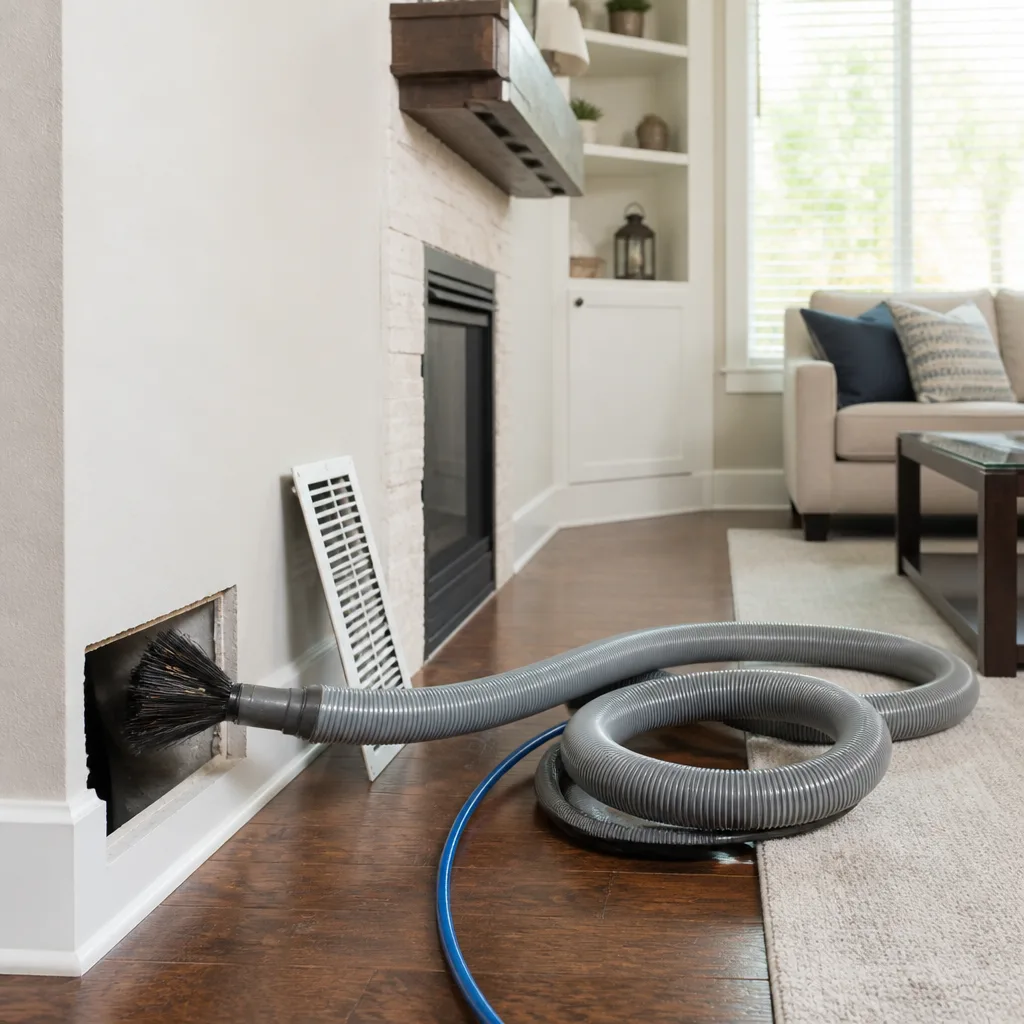 Whole-home duct cleaning
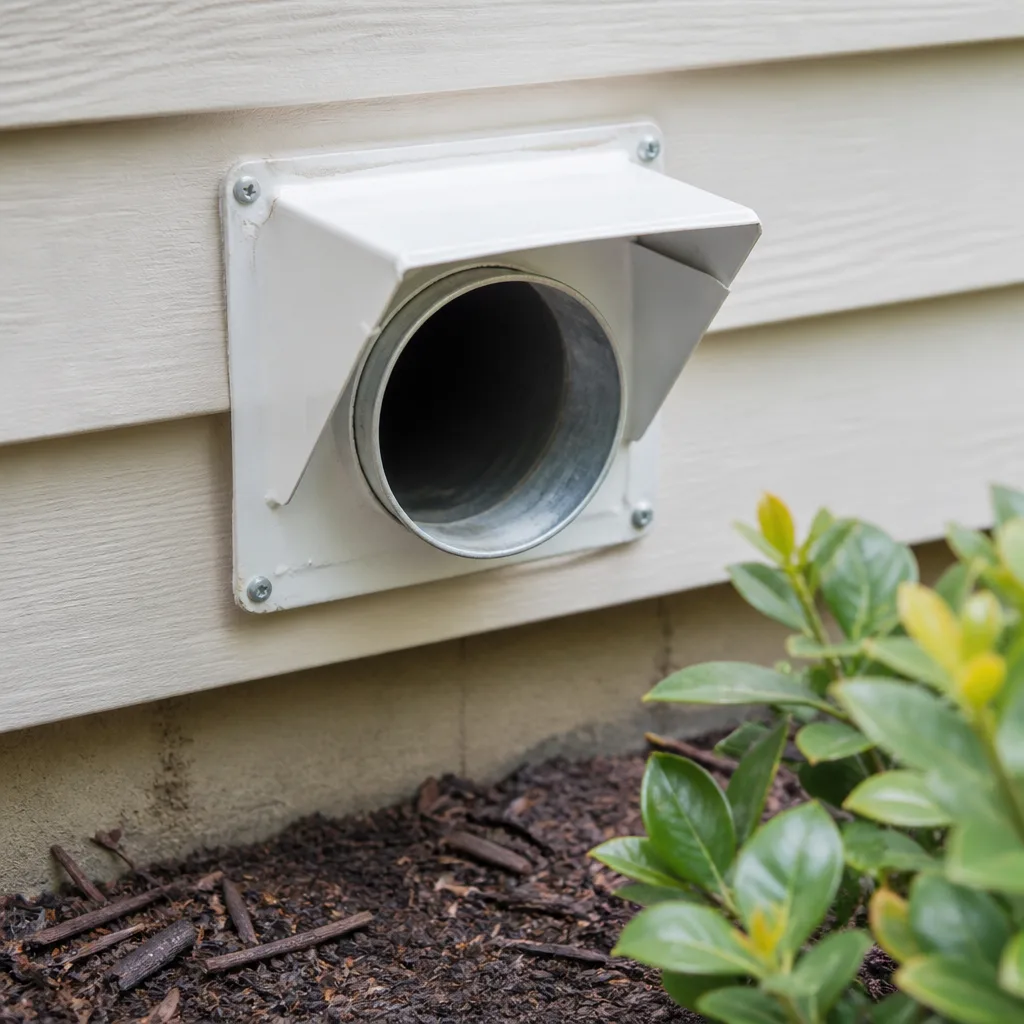 Dryer vent cleaning
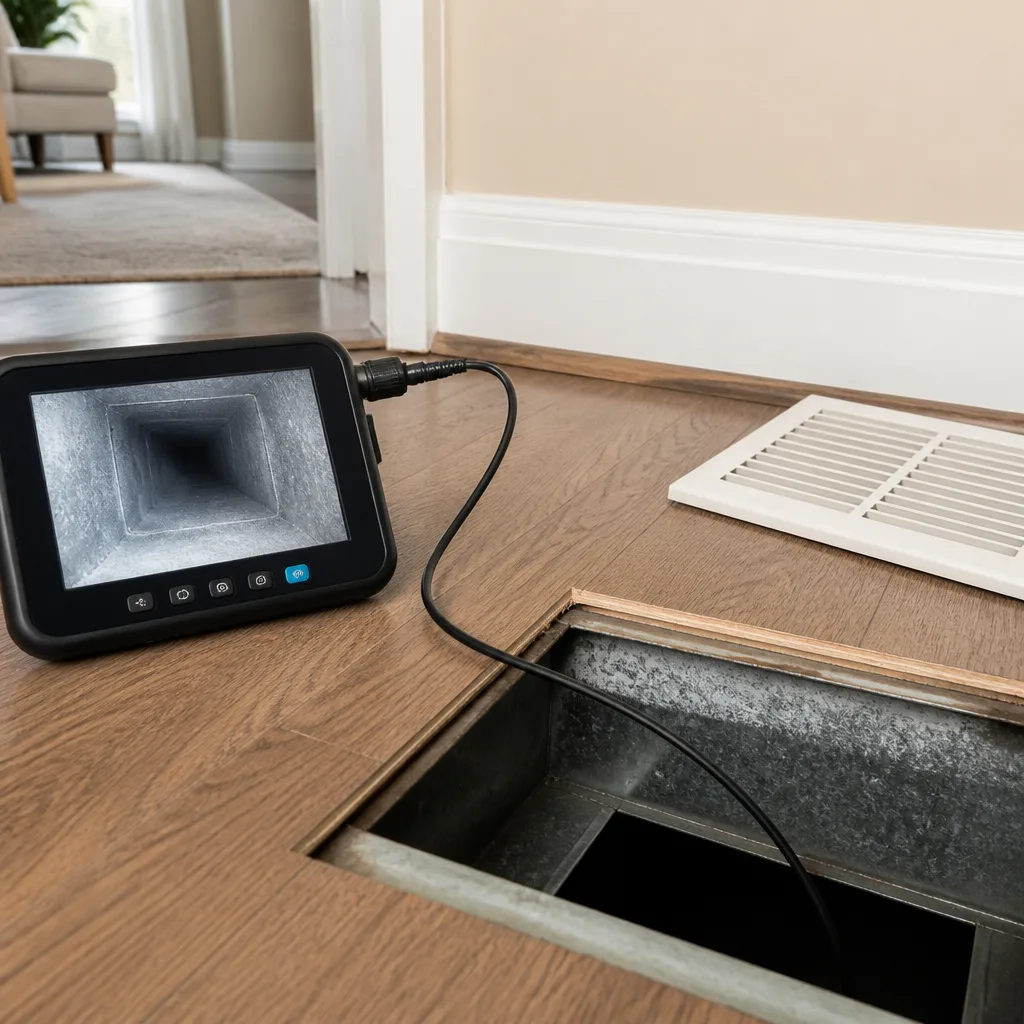 Camera inspection
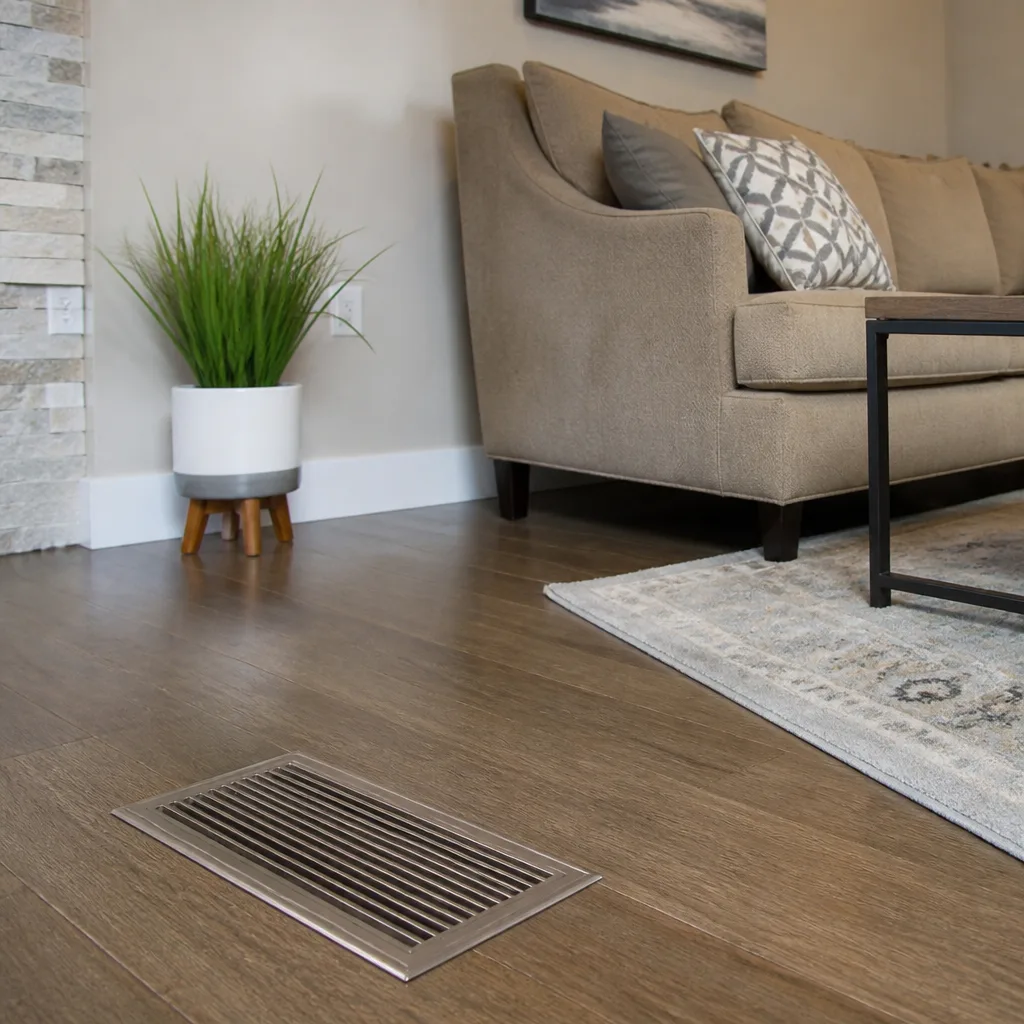 Sanitizing & deodorizing
Whole-system duct and dryer vent check with before-and-after photos - you see exactly what came out of your vents
That "$99 whole-house special" is a bait ad - the real number appears once they are in your hallway, or the "clean" is a shop-vac at the register. We photograph the inside of your ducts before and after instead.
DIY vs Professional Air Duct Cleaning: The Green Lake Homeowner’s Decision Guide
Here’s the part most homeowners never hear: a consumer duct brush can make your system dirtier than it was before you started. Running a brush down a register without a collection unit at the other end loosens fine particulate and leaves it suspended inside the trunk, where the blower pulls it back into living space. That’s a measurably worse outcome than leaving the dust where it settled. This guide separates the work you can genuinely do yourself in a Green Lake home from the work that needs professional collection equipment, and it explains what the difference actually is so you can judge a quote for yourself.
Quick Answer
Register and grille cleaning, filter upgrades, and visual inspection with a phone camera are legitimate DIY territory and worth doing. Cleaning the interior of trunk lines, branch runs, and the air handler is not, because effective cleaning requires a connected collection unit pulling filtered negative pressure while a rotary brush agitates the duct wall. Without that pairing, you’re moving contamination rather than removing it. If your system is a recent build with a documented clean installation, DIY register work may be all you need; most systems older than a decade in Green Lake have enough interior buildup to justify a professional visit.
Styles & brands we work with
- Whole-home duct cleaning
- Dryer vent cleaning
- Camera inspection
- Sanitizing & deodorizing
Table of Contents
- What a homeowner can genuinely handle without professional equipment
- Why positive-pressure cleaning moves contamination instead of removing it
- The equipment threshold that separates real cleaning from cosmetic cleaning
- When DIY is genuinely sufficient
- When DIY falls short
- How to verify that professional work was actually done correctly
- What Green Lake homes face that other systems don’t
- Common mistakes to avoid
- When to call a professional
What a homeowner can genuinely handle without professional equipment
There is real work you can do on your system, and doing it well extends the time between professional cleanings. None of it involves pushing a brush into the ductwork. All of it happens at the surface you can reach.
- Remove and wash the supply registers. Most residential registers pop out with a screwdriver or lift out of a friction clip. Take them to a utility sink, scrub with dish soap and a soft brush, dry them fully, and put them back. This is the single highest-value DIY task on the list, and it addresses the visible dirt that makes people think their ducts are filthy.
- Wipe the inside of the register boot. The short sheet-metal box between the register and the branch run collects dust at a rate that surprises people. A damp cloth and a vacuum wand reach it. Don’t push anything past the boot into the branch run.
- Inspect with your phone camera. Every smartphone has a flashlight and a wide lens. Take a photo straight up into each register boot and look for standing debris, pest activity, or obvious gaps in the metal seams. This gives you a genuine basis for a conversation with any contractor.
- Clean and re-seat the return grille. Returns pull far more air than supplies and collect a corresponding amount of dust. A clogged return grille starves the blower and raises the pressure drop across the system. Vacuum it, wash it, put it back.
- Upgrade the filter, correctly. Match the filter to the slot depth and MERV rating your equipment is rated for. Too high a MERV in a narrow filter slot raises static pressure and forces the blower to work harder for lower airflow. A well-fitted filter with a good gasket seal does more for indoor air quality than any consumer duct gadget.
That list is not filler. Homeowners who clean registers, wash returns, and run the right filter consistently report less visible dust settling on furniture, and their systems arrive at a professional cleaning in better condition. What this list does not touch is the duct interior, the trunk line, the branch runs, or the air handler coils. Those are a separate problem.
Why positive-pressure cleaning moves contamination instead of removing it
The consumer duct cleaning kit sold at hardware stores works on one principle: push air and a brush down the duct and hope the dust comes out the other end. In a connected residential HVAC system, it usually doesn’t. Here’s the mechanics.
A typical Green Lake home has a supply plenum, a trunk line, and anywhere from a half-dozen to two dozen branch runs feeding individual rooms. Those runs branch, elbow, and reduce in diameter. Loose dust entering a branch run at the register end travels some distance, hits an elbow, and settles in a low spot. If the system fan happens to be running, that dust becomes airborne again and gets carried into the living space through the nearest open register. If the fan is off, it simply stays inside the duct, redistributed but not removed.
Professional cleaning works on the opposite principle. A high-volume collection unit connects to the system at a single point, usually at the main trunk or through a modular access point cut into the plenum. That unit pulls filtered negative pressure across the whole duct network. While the negative pressure holds, a rotary brush or high-pressure air whip agitates the interior surfaces, and every dislodged particle travels toward the collection unit rather than into the room. The brush is only half the tool. The collection unit is the other half, and the two have to work as a pair.
This is what separates effective cleaning from cosmetic cleaning. In our work across Green Lake, the visible dust at the register is almost never the real story. The contaminants that matter live in the trunk line, the plenum, and the air handler, and none of those locations can be reached or effectively cleaned from the register end with consumer equipment.
There’s a further complication. Some consumer kits used by less scrupulous operators push air into the ductwork without any collection, moving duct debris into the living space and calling it clean. Watch for it in a quote: if the proposed method doesn’t involve a connected collection unit at the far end of the system, the cleaning isn’t happening. It’s dispersal.
The equipment threshold that separates real cleaning from cosmetic cleaning
If you take nothing else from this guide, take this: the difference between a real duct cleaning and a decorative one comes down to three equipment components. Every credible quote will describe all three. If it describes one and skips the other two, that’s your answer.
- Collection unit airflow. A residential duct system needs a vacuum capable of moving enough air through the network to hold negative pressure across the entire run, not just at the connection point. Consumer shop vacuums cannot do this. Professional units are rated in CFM and total static pressure, and the numbers matter because a small unit connected to a long trunk line simply loses its seal by the third branch run. Rotobrush and Nikro systems are built for this specific load, which is why commercial IAQ contractors operate them.
- HEPA filtration on the exhaust side. Every particle the collection unit captures has to go somewhere. Without HEPA filtration, the exhaust becomes a fine-dust generator. Nikro HEPA-filtered vacuum equipment captures dislodged particulates rather than recirculating them through the home, which matters in rooms where infants, pets, or occupants with respiratory conditions spend time.
- Agitation method. Collection alone doesn’t lift adhered dust from duct walls. A rotary brush, air whip, or mechanical agitation tool is required to break the film of dust and biological growth off the sheet metal so that the collection unit can pull it away. The Rotobrush rotary brush system is what we use on every duct cleaning because it agitates the wall while the collection unit holds negative pressure, and the two are designed together.
Where contamination risk is elevated, the containment standard rises again. Homes that have had water intrusion, pest activity, or recent construction work often require Abatement Technologies negative-pressure and containment tools to keep the work zone sealed during cleaning. That’s the same standard expected in mold-remediation and post-construction cleanups. If a quote doesn’t mention how the work zone is contained, ask.
Professional-grade equipment is the floor, not the ceiling. We use Rotobrush and Nikro equipment because they’re the same systems commercial IAQ contractors rely on, and because a Green Lake homeowner should be able to look up the equipment brand and understand exactly what’s coming into their house.
When DIY is genuinely sufficient
There are real situations where the work you can do yourself is all the system needs, and we’d rather tell you that than sell you a cleaning you don’t need. Look at three factors together: system age, occupancy pattern, and installation history.
- Recently constructed homes. A system installed in the last few years and never occupied by anyone but its original residents usually has clean ductwork. Construction dust contamination is the real concern here, and if the builder didn’t seal the registers during construction, that’s a professional question, not a DIY one. But if the home was built clean and occupied continuously since, your ducts are likely in good shape.
- Low-occupancy spaces. Vacation properties, guest houses, and rental units that sit empty most of the year accumulate less dust because less air moves through them. A register-and-return cleaning every season is often the correct scope.
- Verified clean installation history. If you have documentation that the system was professionally cleaned and the previous owner maintained it well, register and filter work is the right level of ongoing care until the next milestone.
There’s also a seasonal case specific to Green Lake. The neighborhood sees a strong seasonal swing: cool, wet winters and warm, dry summers mean heating systems run hard for several months, then HVAC systems switch to cooling load. A well-sealed, recently cleaned system handles both seasons cleanly. A system with a decade of settled dust doesn’t. If you can’t describe when the ducts last came out dirty or clean, that absence of history is the reason to get a professional assessment, not the reason to skip it.
For an evergreen reference on what professional cleaning involves, the team at air duct cleaning covers the full process from access point to final photograph.
When DIY falls short
The DIY case collapses under a short list of conditions. If any of these apply, professional equipment is the correct tool, and consumer gear is not a substitute.
- The system is over a decade old with no cleaning history. Ten years of settled dust in the trunk line is a professional job. A brush and a shop vac will not move it, and the attempt will redistribute some of it into the living space.
- Visible dust plumes at the registers when the fan starts. If you can see dust blowing out of a supply when the blower kicks on, the contamination is airborne and the system is actively delivering it into the room. That’s a professional cleaning of the plenum and trunk line.
- Water intrusion or visible biological growth. If you can see discoloration on duct surfaces, on the air handler, or on the evaporator coil, stop. That’s a containment-and-remediation scenario, and consumer equipment has no way to safely seal the work area. Abatement Technologies negative-pressure containment is what’s used in this class of job because it captures spores rather than dispersing them.
- Pest activity. Rodent or insect contamination has a waste-handling component that goes beyond duct cleaning. It needs proper containment and, usually, sanitizing afterward. Guardsman-grade protective treatments applied after cleaning extend cleanliness beyond the visit, and they’re a legitimate part of the remediation scope, not a cosmetic add-on.
- Post-renovation. Drywall dust is the worst thing a homeowner can introduce into a duct system. If you’ve just finished a kitchen or basement remodel, the contamination load in the return air path is far higher than a DIY register cleaning can address.
- Uneven room-by-room airflow. When some rooms are cold and others are hot with the thermostat set correctly, the problem is often pressure imbalance or a damaged branch run. Cleaning alone doesn’t fix that. Duct repair and sealing does, and it’s a scope question for a professional.
- Dryer vent crossover. The dryer vent is often treated as another duct job. It isn’t. It’s the highest fire-risk component in the system, and the tools are different. Professional dryer vent cleaning is a separate service with its own equipment, and DIY with consumer brushes risks disconnecting the vent or leaving a lint pocket that defeats the purpose.
How to verify that professional work was actually done correctly
The reason this question matters is that duct cleaning is one of the few home services where a technician can do less than the scope and still leave the homeowner satisfied with a clean-looking house. You can verify the work. Here’s what to ask for before and after.
- Before-and-after photos of interior duct surfaces. A competent technician photographs the same spot in the trunk line and one or two branch runs before cleaning and after cleaning. The photos are of your ducts, not stock images. If a company can’t show you interior surfaces of your own system, that’s a real signal.
- Particle count readings before and after. A handheld particle counter measures airborne particulate in the return-air path. Readings before and after cleaning, taken under comparable conditions, give you a number rather than an impression. Ask to see them.
- Static pressure delta. Static pressure measures how hard the blower is working to move air through the system. A duct system that is clogged or leaking shows elevated static pressure on the supply side. Measuring static pressure before and after cleaning and after duct sealing shows whether the system is actually breathing better. This is the number that tells you whether the work was real.
- Filter condition and grade after the visit. A clean filter at the close of the job, matched correctly to the slot, is a small but genuine indicator that someone was paying attention. Mismatched filters and loose-fitting filters are signs of a rushed visit.
- A description of what was actually cleaned. You should be able to hear, in plain language, which trunk lines, branch runs, and components were cleaned and which weren’t. A vague answer to “what did you clean?” is a specific red flag.
If the quote includes anything about upgrading filtration, ask what brand and model. Honeywell and Aprilaire filtration components are standard in residential air quality work because they’re reliable, serviceable, and widely supported by parts availability. A company that installs and integrates these as part of its services can clean and upgrade in a single visit rather than handing the filtration work to a different contractor. For a broader look at the system-level cleaning scope, the HVAC cleaning page walks through what’s involved.
What Green Lake homes face that other systems don’t
Green Lake is an older neighborhood with a housing stock mix that produces specific air quality conditions. Original homes from the early decades of the twentieth century are common, many with retrofitted HVAC systems added years after construction. That retrofit pattern means ductwork is often routed through spaces that were never designed for it, and branch runs may pass through unconditioned attic or crawl space areas.
Two consequences matter for the DIY question. First, unsealed duct joints in unconditioned space leak both air and the dust it carries, and a consumer brush can’t fix a leak. Second, older homes with ductwork that includes the original 1970s or 1980s flexible branch runs often have deteriorating interior liners or failing insulation that no cleaning will fix. Duct repair and sealing is a separate scope, and we offer it in-house because cleaning a leaking system is only half the job. Clean ducts are only part of the picture; we also seal, repair, and sanitize so the system stays cleaner longer.
The neighborhood climate is another factor. Greens Lake winters bring cool, wet air and long heating seasons. That pattern increases condensation on cold duct surfaces in unconditioned space, and condensation is what feeds biological growth on sheet metal and flex liner. A homeowner who does the register and filter work themselves and skips the professional interior cleaning is leaving the one thing the climate is actually producing untouched.
The lake itself is also worth a note. Green Lake properties within a few blocks of the water regularly deal with higher summer humidity than homes farther inland. Higher humidity raises the load on the cooling coil, which means more condensate, which means more moisture in the air handler cabinet. Cleaning the coil and cabinet is part of a full HVAC cleaning, not part of a duct cleaning, and it’s the reason we quote the system rather than just the ductwork. For the full picture of what’s included, the air duct cleaning Green Lake service page covers the process and scope.
Common Mistakes to Avoid
- Running a brush down a register without a collection unit connected. This is the mistake that gives consumer duct kits their bad reputation. The brush loosens dust, the duct network contains it, and the blower delivers it into the room within a week or two.
- Using a shop vacuum to “clean” a duct. A shop vacuum has the wrong airflow curve for residential ductwork and no HEPA filtration on the exhaust side. It moves some dust and generates fine particulate out the exhaust, which is a net loss for indoor air quality.
- Skipping return grille maintenance because it’s hard to reach. Green Lake homes with ceiling-mounted returns in stairwells and hallways often have grilles that haven’t been cleaned since the home was built. The return path is where most of the visible dust in the room originates, and it’s the easiest DIY task on the list.
- Installing a high-MERV filter in a slot not rated for it. Over-filtering chokes airflow, raises static pressure, and forces the blower to work harder for less air. Read the equipment rating plate before upgrading the filter, and if you want higher filtration, ask about a proper Aprilaire or Honeywell filter cabinet rather than forcing a thick filter into a thin slot.
- Assuming a clean-looking house means clean ducts. Dust at the register and dust in the trunk line are different problems. A home can look spotless and still have years of settled debris in the trunk and plenum that only shows up in a particle count or an interior photo.
- Confusing dryer vent cleaning with duct cleaning. The two services use different tools and address different risks. A duct cleaning quote that doesn’t break out dryer vent service separately hasn’t addressed the highest fire-risk component in the system.
- Skipping the air handler. The blower compartment, evaporator coil, and drain pan are part of the air quality picture. Cleaning ductwork without cleaning the air handler leaves the actual contamination-generation point untouched, and the ducts collect dust again within a heating season.
When to Call a Professional
Call when any of these are true: the system hasn’t been professionally cleaned and the home is more than a decade old; the registers visibly plume dust when the blower starts; there’s been water intrusion, pest activity, or a renovation; the home was built in the mid-twentieth century with retrofitted ductwork; someone in the home has respiratory sensitivity that makes indoor particulate a health consideration; or you’re buying a home and need to know the system’s actual condition before closing. Air Duct Cleaning Green Lake offers free estimates in Green Lake. Call (877) 820-8098. Our technicians have up to 14 years of experience, and every job is quoted per system based on the written estimate before any work begins.
See the difference
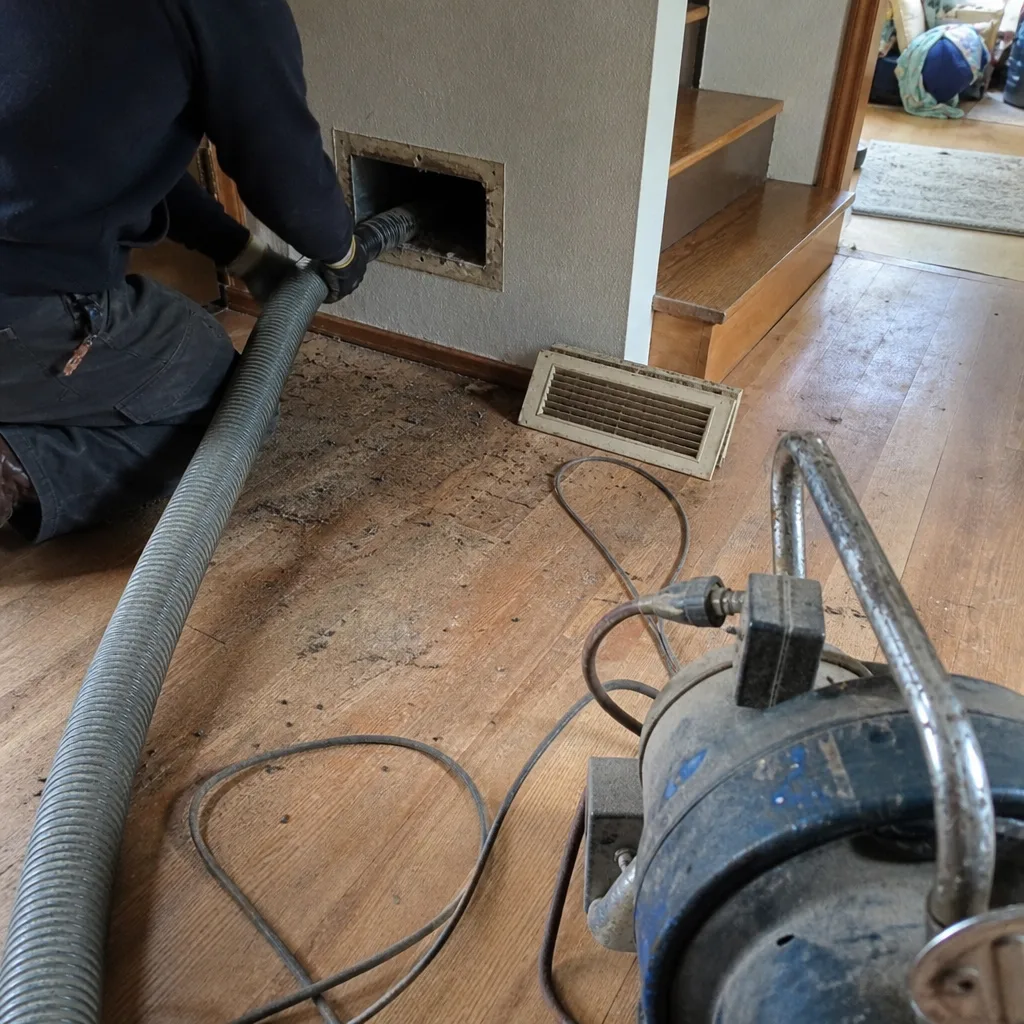 Before
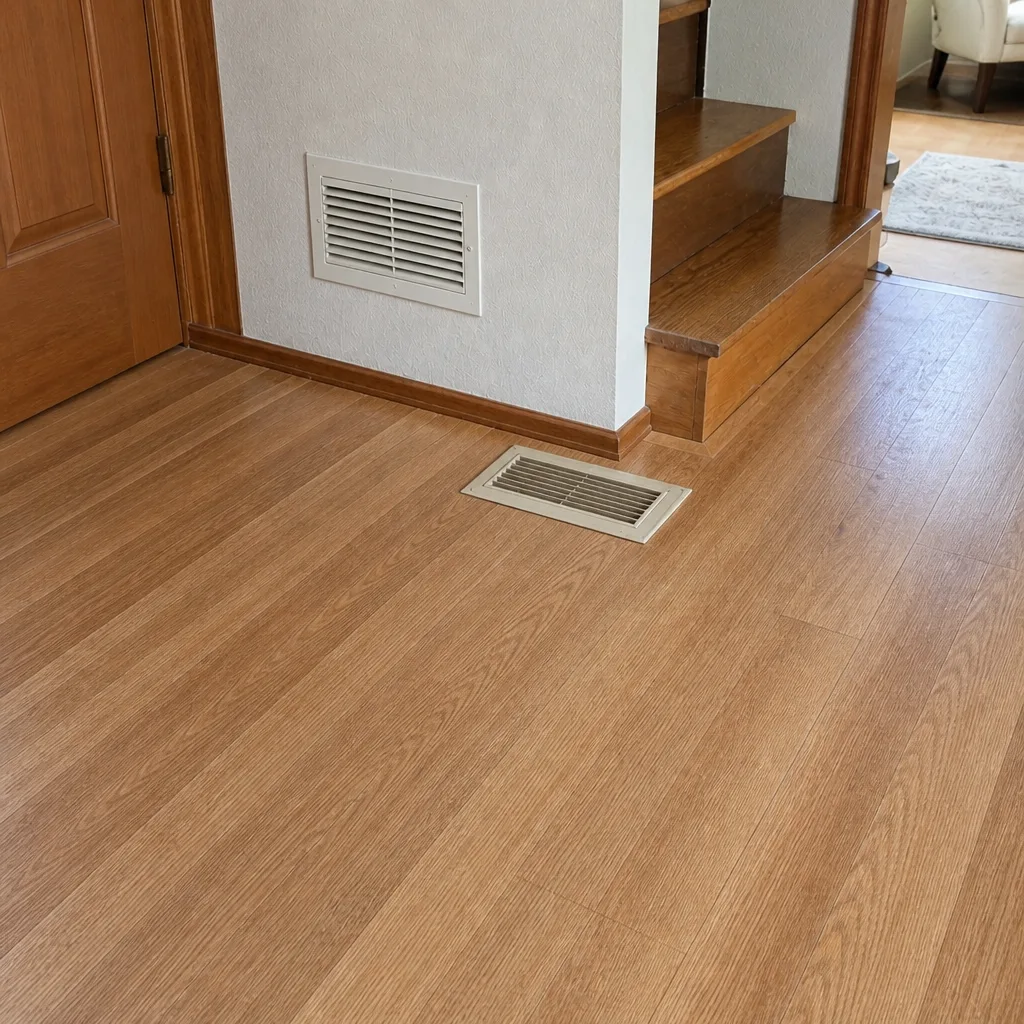 After
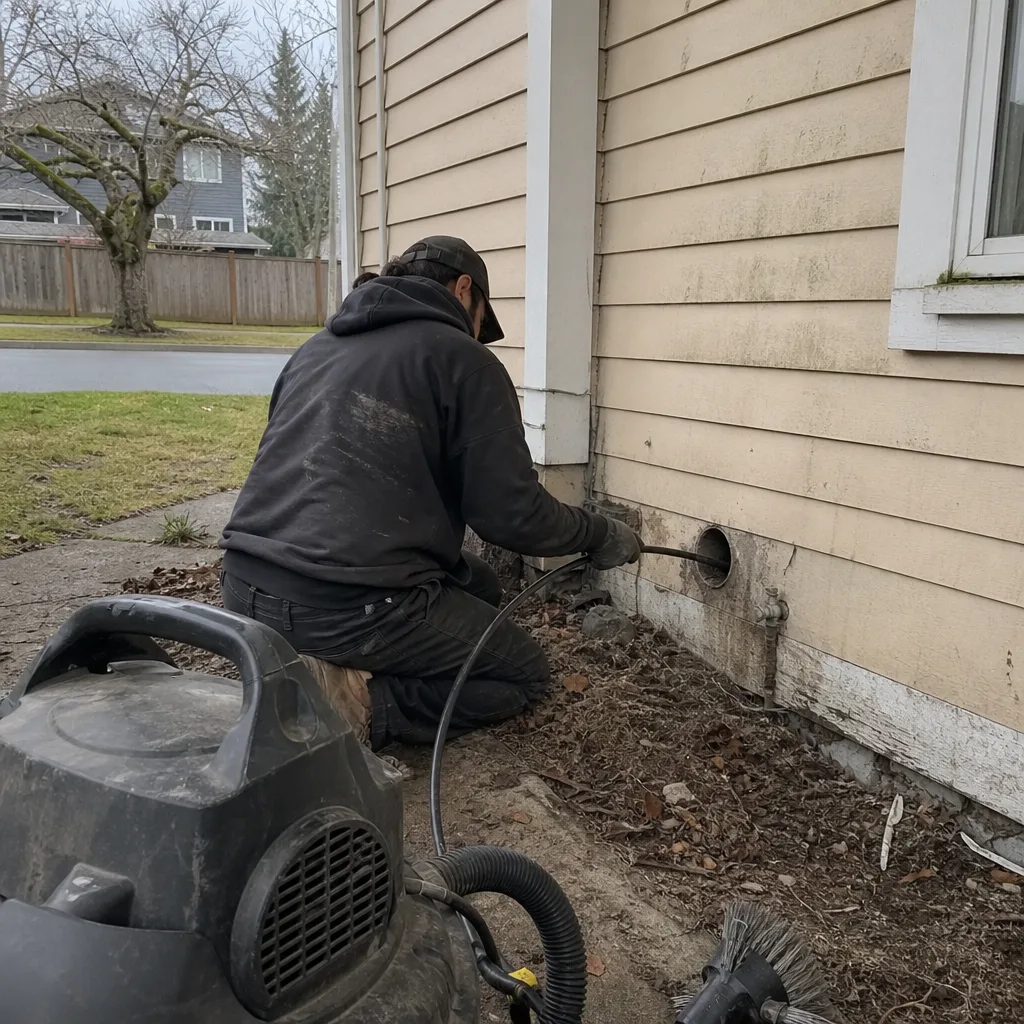 Before
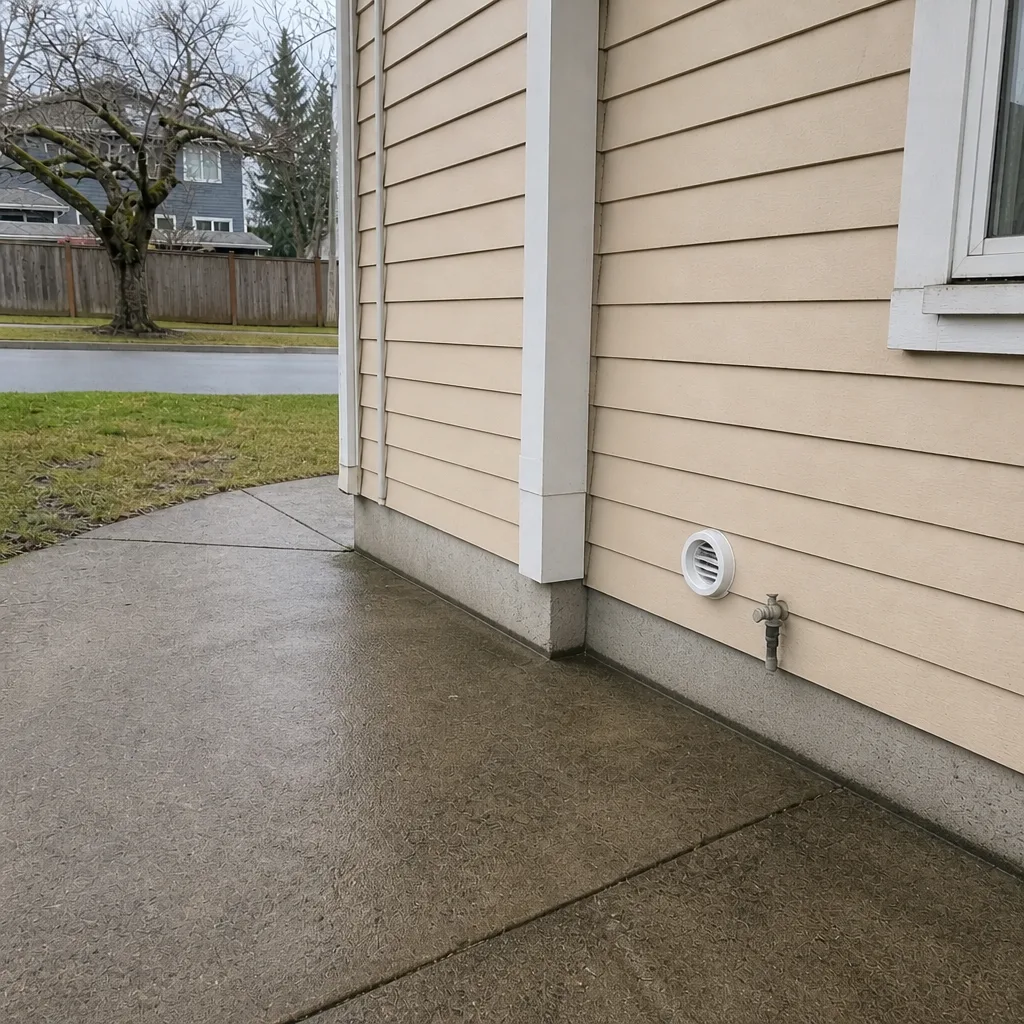 After
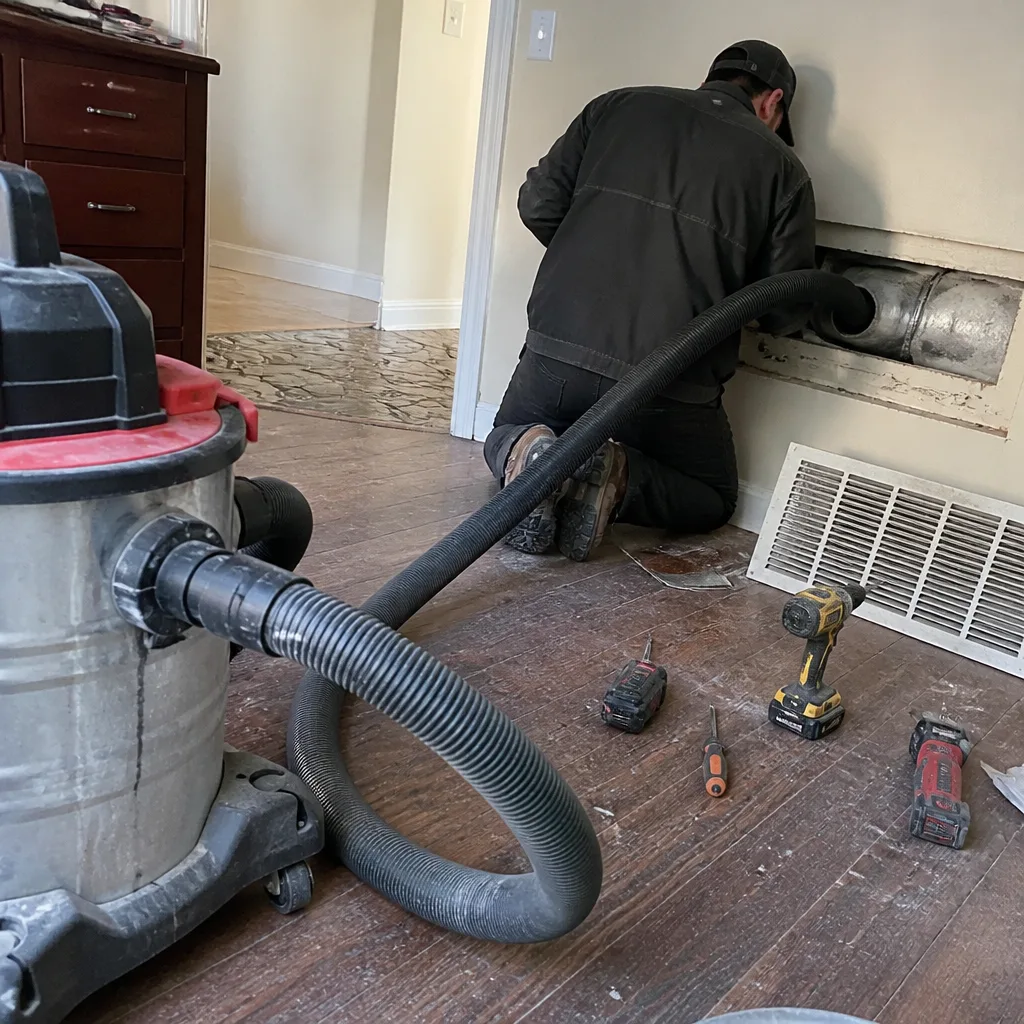 Before
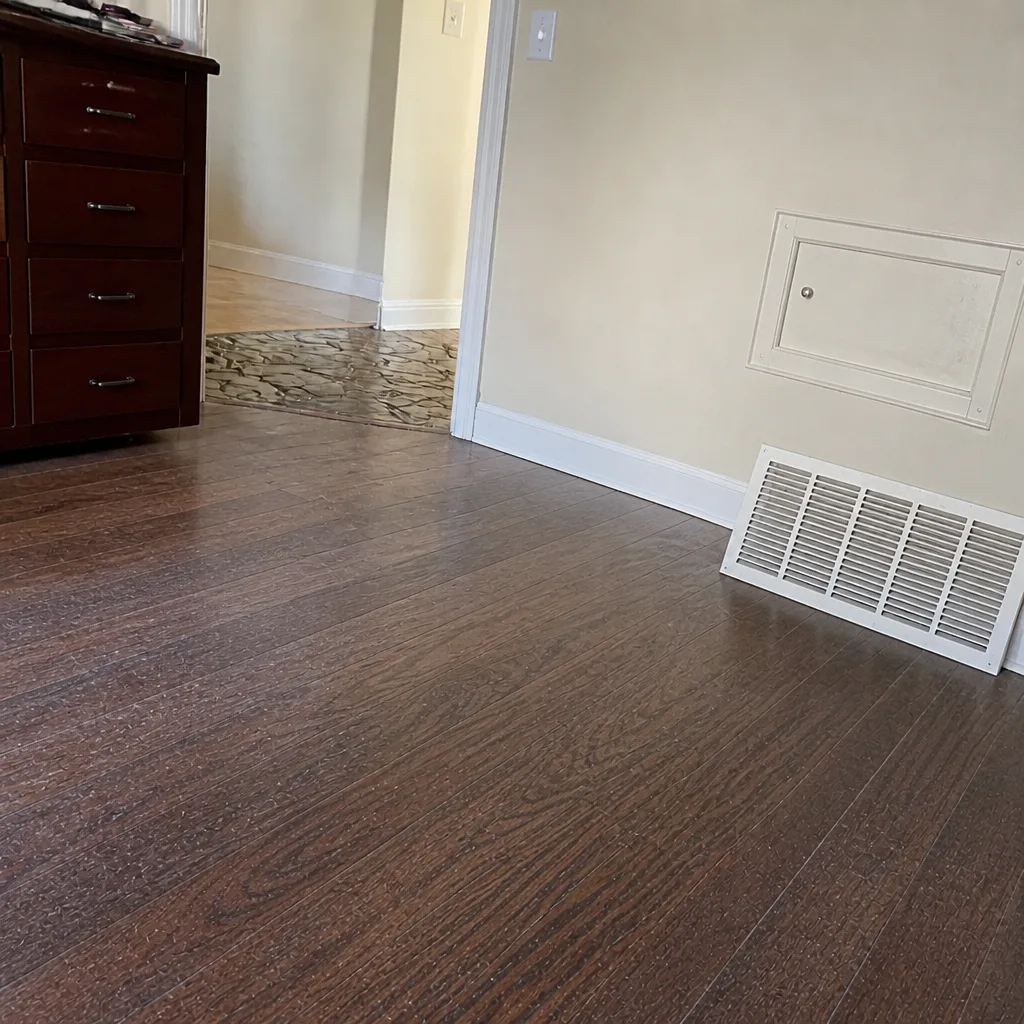 After
Frequently Asked Questions
The price depends on the system, not the number of registers. A typical single-family home with a standard trunk-and-branch system falls in a range, and the number is set per job by the written estimate before work starts. We don’t quote per vent, because per-vent pricing is what allows a low headline figure to escalate once a technician is on site. Call (877) 820-8098 for an exact quote – estimates are free.
Usually because the quote describes a different job. A low quote is often based on register-cleaning only, without collection unit connection or interior trunk access, which means the visible registers come out cleaner while the trunk line and plenum stay as they were. The other common reason is that the low quote assumes a consumer-grade equipment configuration. Ask any contractor to describe their collection unit, filtration, and agitation method before comparing pricing. Call (877) 820-8098 to walk through what a real scope looks like for your Green Lake home.
Ask for before-and-after photos of your own interior duct surfaces, particle count readings before and after, and static pressure measurements. A competent contractor provides these without being asked. If a company can’t show you interior photos of your own system, that’s a specific signal to look elsewhere. Call (877) 820-8098 to schedule an assessment with professional-grade equipment.
Most homes go three to five years between professional cleanings, and some go longer if the system is well sealed and the filters are maintained correctly. Homes with pets, occupants with respiratory conditions, or recent renovation work need it more often. The schedule should follow the system’s condition, not a fixed calendar. Call (877) 820-8098 to talk through what interval makes sense for your system.
Yes, but the scope is register and grille maintenance, not duct interior cleaning. Removing and washing supply registers, cleaning return grilles, inspecting boots with a phone camera, and running the correct filter are all legitimate DIY work and worth doing. Interior trunk, branch run, and air handler cleaning requires connected negative-pressure collection that no consumer tool replicates. Call (877) 820-8098 if you want a professional assessment of what your system actually needs.
Yes, because equipment spec is what determines whether cleaning is effective or cosmetic. Collection unit airflow, HEPA filtration on the exhaust, and agitation method are the three variables that define the scope, and equipment from Rotobrush, Nikro, and Abatement Technologies is built specifically for residential and light-commercial duct loads. The brand alone isn’t a guarantee, but a quote that names its equipment is generally a quote that understands what it’s actually doing. Call (877) 820-8098 to ask what equipment is coming into your Green Lake home.
The Bottom Line
DIY air duct work covers register cleaning, return grille washing, filter upgrades, and visual inspection with a phone camera. Those are worth doing, and doing them well extends the interval between professional cleanings. Interior trunk, branch run, and air handler cleaning is a different job entirely, and it requires professional-grade equipment: collection unit airflow, HEPA filtration, and mechanical agitation working as a pair. Consumer tools push contamination around rather than removing it. If you’re in Green Lake and you’re unsure which side of the line your system falls on, a free estimate with a professional assessment is worth the call.
We answer 24/7. Call (877) 820-8098 for a free estimate, with fast dispatch from 7am to 7pm, Sunday through Friday, closed Saturday. Whether the answer turns out to be “you’re fine, keep washing those registers” or “this system needs a full cleaning and sealing,” you’ll know the reason and the scope before anyone starts work. One crew, one visit: cleaning, repair, and air quality upgrades handled together.
Written by the team at Air Duct Cleaning Green Lake.