
Last updated November 24, 2026
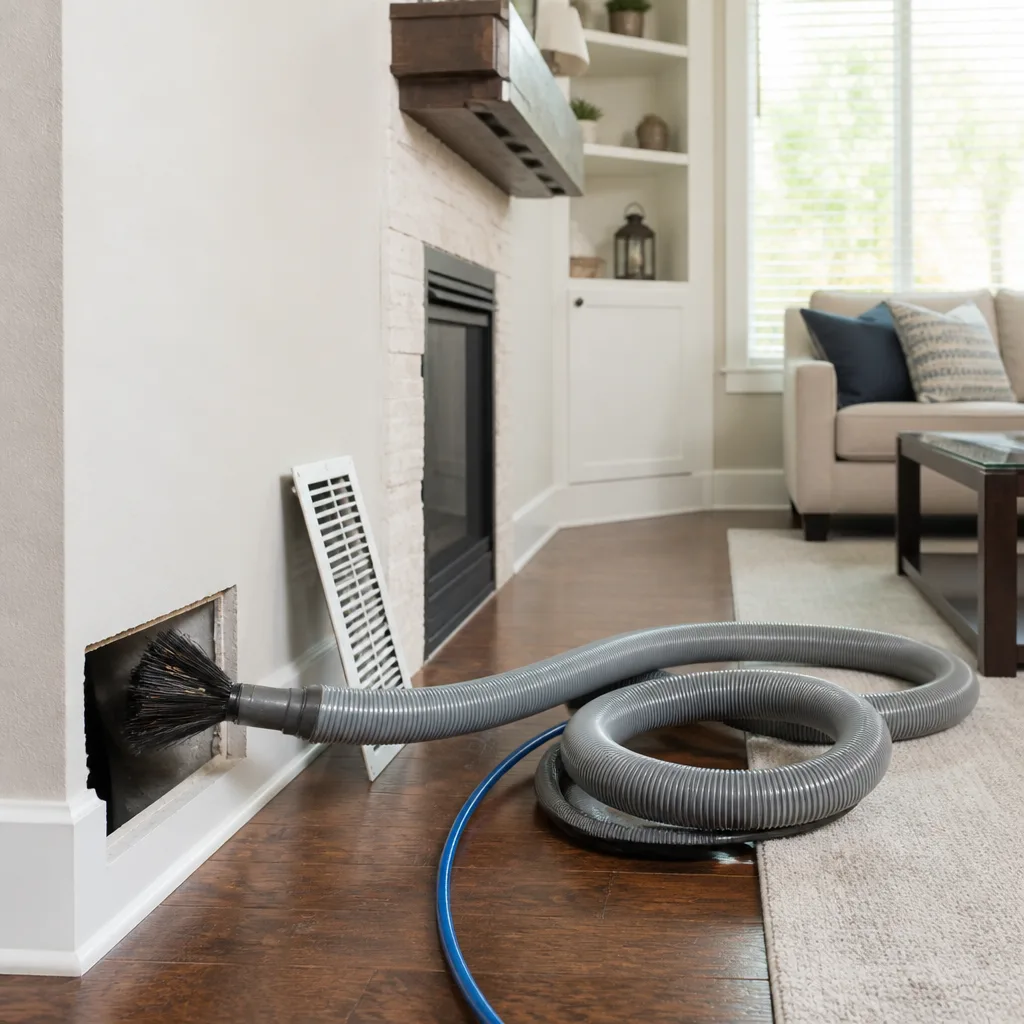 Whole-home duct cleaning
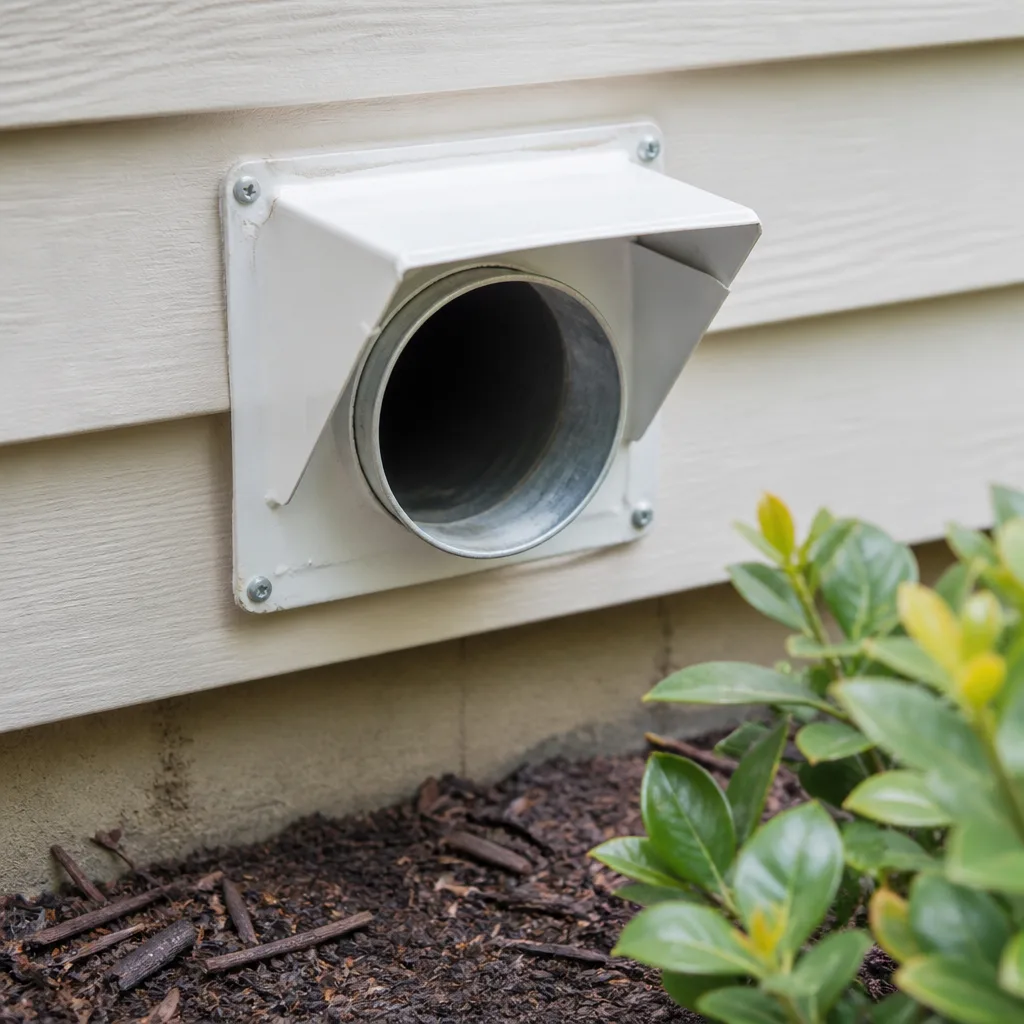 Dryer vent cleaning
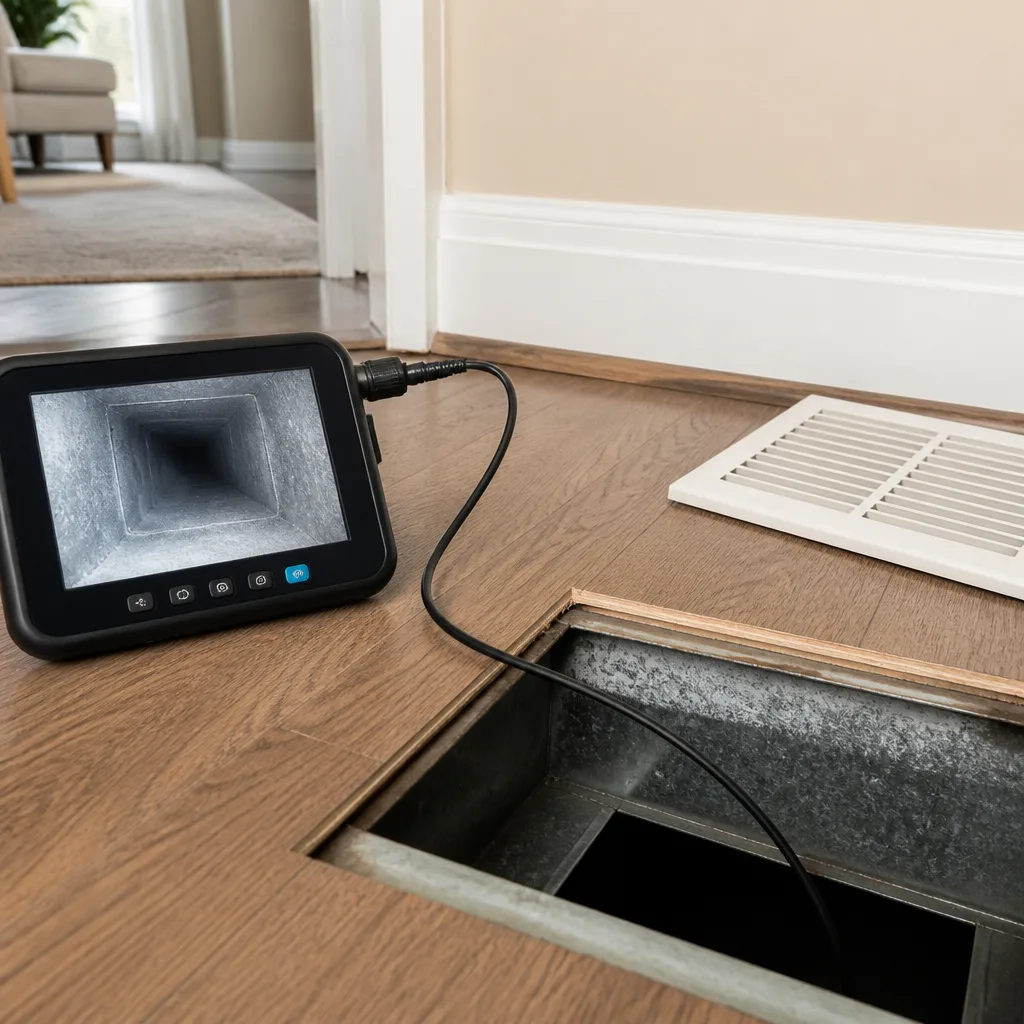 Camera inspection
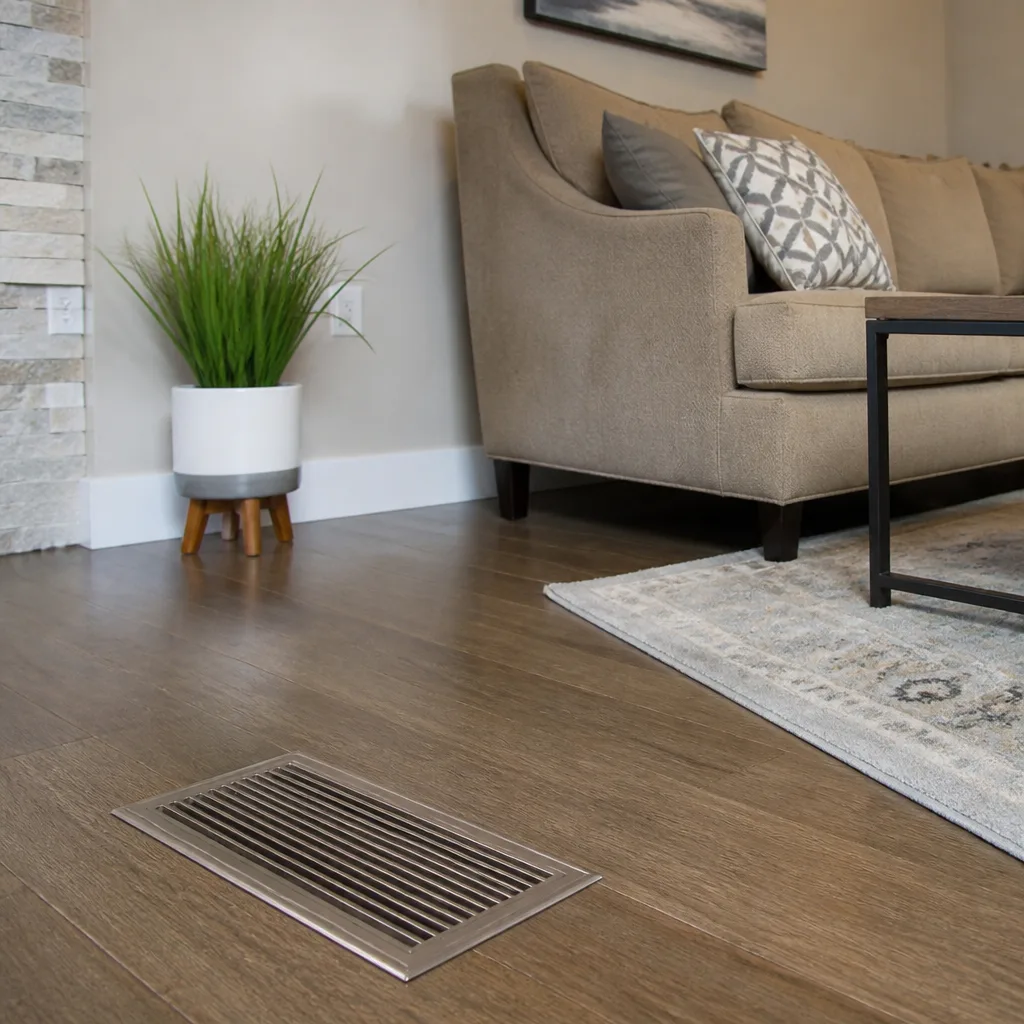 Sanitizing & deodorizing
Whole-system duct and dryer vent check with before-and-after photos - you see exactly what came out of your vents
That "$99 whole-house special" is a bait ad - the real number appears once they are in your hallway, or the "clean" is a shop-vac at the register. We photograph the inside of your ducts before and after instead.
Air Duct Cleaning Permits, Codes & Inspections in Green Lake, WA: What You Need to Know
No inspector will show up for a duct cleaning. That’s the part most homeowners get right. The part they miss is what happens next: somewhere in the system, the technician finds a disconnected flex run, a sagging duct with no support, or a corroded air handler cabinet, and suddenly the job involves Washington’s mechanical code. Cleaning is maintenance. Repair is construction, and construction has thresholds. Knowing where that line sits before anyone opens a return plenum is what separates a smooth project from a mid-job halt. This guide walks through Washington State’s mechanical code provisions that touch duct systems, when repair triggers a permit, how older Green Lake housing changes the picture, and how to check a contractor’s licensing and a property’s permit history before you hire.
Quick Answer
Air duct cleaning itself does not require a permit in Washington State. Duct repair or replacement, added runs, and work on the air handler or ventilation system generally do require a mechanical permit, issued through Seattle DCI inside Seattle city limits or through King County for unincorporated areas. If cleaning uncovers disconnected or improperly supported flex duct, that repair is a permit question, not a cleaning question.
Styles & brands we work with
- Whole-home duct cleaning
- Dryer vent cleaning
- Camera inspection
- Sanitizing & deodorizing
Table of Contents
- What does Washington’s mechanical code say about ductwork?
- Where is the line between cleaning and a permitted repair?
- Why disconnected and unsupported flex duct is common in Green Lake homes
- What happens if the technician finds suspect insulation in a pre-1980 home?
- How to verify a contractor and check permit history
- How a compliant duct project runs, step by step
- What an inspection actually looks at
- What this means for the cost of a Green Lake job
What does Washington’s mechanical code say about ductwork?
Washington’s mechanical code, WAC 51-52, adopts and amends the International Mechanical Code for construction and alteration of HVAC systems in the state. The provisions that matter most for ductwork are the ones about integrity, support, and material: ducts have to be continuous and sealed at joints, supported at intervals that keep them from sagging, and protected from conditions that damage them. Nothing in that chapter is about cleaning. It’s about how the system is built and altered.
That distinction is the whole game. A duct cleaning is maintenance on an existing, permitted system. It doesn’t create new ductwork, doesn’t add a run, doesn’t change the system’s capacity. Repair and replacement do. When a technician reconnects a run, replaces a section of flex, or rebuilds a boot at a register, the work has moved from maintenance into the territory the code governs. Local jurisdictions then decide, based on state code, whether that work needs a permit and an inspection.
What the code is really protecting against is leakage and pressure loss. A disconnected supply run isn’t a cosmetic flaw. It dumps conditioned air into a crawlspace or wall cavity and starves the room it was supposed to serve. An unsupported flex run sags, collects dust at the low point, and restricts airflow. Both conditions are routinely found during cleaning in Green Lake, and both are repair items, not cleaning items. Our technicians have up to 14 years of experience with exactly this pattern, which is why we scope cleaning and repair as separate decisions rather than bundling them into a single sales pitch.
One more point about the code: it is a construction standard, not a maintenance schedule. Nothing in WAC 51-52 tells you how often to clean ducts. That’s a judgment call based on what’s in the system, which is a different conversation entirely.
Where is the line between cleaning and a permitted repair?
The line is whether the work alters or repairs the system or simply removes debris from it. Cleaning removes accumulated dust, debris, and contamination from ducts, registers, plenums, and the air handler. It replaces nothing and changes no connections. Repair restores or replaces components, and that is where permits enter the conversation.
Here’s how to think about the split in practice:
- No permit typically required: source removal cleaning of ducts and plenums, coil cleaning, register and grille cleaning, blower compartment cleaning, dryer vent cleaning, sanitizing treatment after cleaning.
- Permit usually required: replacing a section of flex or rigid duct, reconnecting a separated run with new material, adding or removing a supply or return, replacing the air handler, altering the layout of the system.
- Jurisdiction-dependent: minor reconnections where no new material is added, sealing work, and small repairs to duct boots. Ask your local building department before assuming either answer.
Inside Seattle city limits, including the Green Lake neighborhood, mechanical permits run through Seattle’s Department of Construction and Inspections. Addresses in unincorporated King County go through the county instead, and a handful of nearby cities handle their own. That’s why the same repair can be a permit job at one Green Lake address and a same-day fix at another. It also matters that Green Lake sits inside Seattle proper, so the Seattle rules apply to most homes around the lake.
Some duct damage is straightforward to remediate and some isn’t, and a repair that gets done without the required permit can complicate a future sale or an insurance claim. If you’re unsure whether your situation crosses the threshold, the safe move is a phone call to the building department before work starts. It costs nothing to ask.
Why disconnected and unsupported flex duct is common in Green Lake homes
Green Lake’s housing stock runs old. A lot of it predates modern ducted forced-air systems entirely, which means the ductwork in many homes was retrofitted later, often into crawlspaces and wall cavities that weren’t designed for it. That retrofit history is the reason disconnected flex runs turn up so often around the neighborhood.
Flex duct is the flexible, insulated, corrugated product that connects the main trunk to individual registers. It’s genuinely useful for routing through tight spaces, and it’s also the most common failure point in a residential system. When it’s installed with too much slack, when it’s stretched around a corner too tightly, when it’s hung from the wrong material, or when it simply sits on the dirt of a crawlspace for years, the inner liner separates from the outer jacket or the connection at the boot works loose.
You can’t see any of that from a register. What you can notice is the downstream effect:
- Rooms that never get comfortable no matter how the thermostat is set.
- Higher heating bills without a corresponding change in use.
- Dust settling faster in rooms that sit at the end of a long run.
- A musty or earthy smell when the system first kicks on.
- Visible condensation or dampness on duct surfaces in a crawlspace.
Green Lake’s climate adds to the wear. Fall and winter bring long stretches of wet weather that keep crawlspaces humid, and humid air is hard on flex duct insulation. Dust that collects on a damp duct surface stays put, and if a run is disconnected, that dust lands in a crawlspace instead of being filtered at the return. That’s the mechanism behind the smell so many homeowners describe.
Under the mechanical code, a disconnected or unsupported run is a defect in the system, not a cleaning issue. Remediation means restoring the connection properly, with correct support spacing and material, which is where the permit question arrives. We handle duct repair and sealing as an in-house service precisely because stopping at cleaning leaves the actual problem in place.
What happens if the technician finds suspect insulation in a pre-1980 home?
Work stops and the material gets tested before anything else happens. If a licensed HVAC technician finds what looks like asbestos-containing material on duct insulation, duct wrap, or a plenum in a pre-1980 home, the correct response is to halt disturbing work and have a sample analyzed by an accredited lab. Asbestos handling is regulated separately from the mechanical code, and no duct cleaner should be cutting into suspect material.
This matters less often than the internet suggests, and more than most homeowners expect. Pre-1980 housing is common around Green Lake, and duct wrap, plenum sealant, and older duct board can contain asbestos. The material is only a hazard when it’s disturbed, which is exactly what cleaning and repair do. That’s why the initial visual assessment before a job starts is doing real work, not just a formality.
When suspect material is confirmed, a licensed asbestos abatement contractor handles removal or encapsulation, and the mechanical work waits until they’re done. In many cases, encapsulation rather than removal is the right call, and the decision belongs to the abatement contractor and, depending on the scope, the local air quality authority.
This is also where containment equipment earns its keep. We use Abatement Technologies negative-pressure and containment tools on jobs where contamination risk is elevated, capturing dislodged particulate rather than letting it travel through the living space. It’s the same standard expected on mold remediation and post-construction cleanups, and it’s the right approach whenever the material in question is uncertain.
Two things to remember if you’re facing this. First, don’t let anyone tell you the material is “probably fine” and keep cutting. Second, get the test result in writing before you authorize the next step of the project.
How to verify a contractor and check permit history
Washington requires HVAC contractors to be registered with the Department of Labor & Industries, and you can confirm a registration and its status online before you hire. For work inside Seattle, the Seattle Services Portal lets you pull a property’s permit history and see whether past mechanical work was permitted. Both checks take a few minutes and neither costs anything.
Here’s the sequence we recommend, and it applies whether you’re cleaning ducts or repairing them:
- Ask for the contractor’s Washington registration number and confirm it’s active on the L&I site.
- Ask whether the company carries liability insurance and a bond, and request proof in writing. The local pro is licensed and insured as their state requires.
- Open the Seattle Services Portal and search the property address to review permit history for the HVAC system.
- Compare what the portal shows against what the contractor describes about the existing system.
- Get the scope in writing, including whether any part of the work requires a permit and who pulls it.
That last point is where most disputes start. If repair work needs a permit, the permit should be pulled before the work, and a contractor who suggests skipping it is telling you something about how they operate. Ask directly: who is pulling the permit, and will the work be inspected?
For a straight cleaning job, no permit applies and the portal check is really about the property’s history rather than the work itself. It’s still worth doing, because what the history shows tells you how the system was built and what may be lurking in a crawlspace you’ve never crawled into. We walk Green Lake homeowners through this before quoting, since the answer changes what a job involves.
How a compliant duct project runs, step by step
A duct project that touches code follows a predictable order, whether the scope is cleaning alone or cleaning plus repair. Skipping a step in this sequence is where most problems begin. Here’s how it runs when the work is done properly:
- Visual assessment. The technician inspects the accessible duct system, the air handler, and the plenum, and documents what’s found. Conditions that suggest a repair or a permit issue get flagged here, not after cleaning starts.
- Scope and written estimate. The estimate separates cleaning from repair and states plainly which parts, if any, require a permit. One flat price per system, agreed before work starts.
- Permit application if needed. For repair or replacement, the permit gets pulled through the correct jurisdiction before the work. The written estimate sets the final price on the work.
- Containment and cleaning. Negative-pressure containment goes up where contamination risk warrants it, and the cleaning runs with mechanical agitation and HEPA-filtered extraction. We use Rotobrush and Nikro equipment on this step, so dislodged debris is captured rather than recirculated.
- Repair and reconnection. Disconnected runs are reconnected and unsupported duct is properly supported, using correct materials and spacing.
- Sealing. Joints and connections get sealed to cut leakage, which is the step most cleaning-only outfits skip entirely.
- Filtration and air quality components. Where the homeowner wants better filtration, Honeywell and Aprilaire components are integrated by the same technicians who cleaned the system.
- Inspection and sign-off. Where a permit applies, the jurisdiction inspects and signs off. Before-and-after photos document what was found and what was done.
For a routine air duct cleaning with no repair involved, steps 1, 2, 4, and 8 are the whole job. The rest only appear when something in the system warrants them. That’s the honest version of the scope, and it’s why a cleaning estimate can’t be finalized until the assessment is done.
What an inspection actually looks at
A mechanical inspection for duct work focuses on the system’s integrity and its installation, not on how clean the ducts are. The inspector is checking that the work matches the permit and the code: connections are continuous and sealed, supports are adequate, materials are the correct type, and the system terminates where it’s supposed to and vents where it’s supposed to.
What that typically means in a residential setting:
- Duct connections are mechanically fastened and sealed, not just pushed together.
- Flex duct is supported so it doesn’t sag, and it isn’t crushed or kinked at bends.
- The system’s return and supply paths are intact and properly sized for the equipment.
- Terminations and venting meet the code’s requirements for the appliance involved.
- The installed work matches the permitted scope.
Airflow and pressure testing aren’t automatic on a residential duct permit, though some jurisdictions and some scopes call for them. If you’re planning a repair that involves added runs or a replaced air handler, ask whether testing will be part of the inspection so there are no surprises.
For cleaning alone there’s no inspection, which is why documentation matters. Before-and-after photos of your own ducts are the record of what was actually done, and any contractor who resists providing them is worth a second thought. We provide them on every job, because a homeowner shouldn’t have to take the work on faith.
What this means for the cost of a Green Lake job
A cleaning job and a cleaning-plus-repair job are priced very differently, and the permit question is one reason. Cleaning is a single scope. Repair adds materials, labor, and possibly a permit fee and an inspection. Knowing which one you’re facing is the first step toward an honest number.
Here’s how the pieces break out:
- Whole-system air duct cleaning: typically quoted as one flat price per system, based on the number of systems and the accessibility of the ductwork.
- Dryer vent cleaning: typically a smaller line item, quoted separately.
- Duct repair and reconnection: priced by the extent of the repair, not by the hour, once the assessment is complete.
- Duct sealing: priced by the scope of the sealing work involved.
- Permit fees: set by the jurisdiction, not by the contractor, and disclosed as a separate line where they apply.
- Sanitizing and air quality components: optional, quoted separately from the cleaning.
We quote one flat price per system and agree it before work starts. No per-vent pricing, no teaser number that grows once the technician is on site. In our experience the bait-and-switch reputation this industry carries comes mostly from ads that quote a per-vent price and then add charges for every step of the actual job. A written estimate that names the scope and the price is the answer to that.
If repair turns out to be necessary, we separate it clearly from the cleaning so you can decide on it independently. Nothing gets added to the invoice without your agreement. The written estimate sets the final price, and the price doesn’t change because the job turned out to need a permit.
Common Mistakes to Avoid
- Assuming any duct repair is a permit-free fix. Replacing runs or reconnecting with new material generally needs a permit in Seattle and much of King County. Confirm with the jurisdiction before work starts, not after.
- Accepting a per-vent quote over the phone. A per-vent price can’t reflect the actual system size or the condition found during assessment. A whole-system price agreed in writing is the only number that holds.
- Skipping the pre-1980 insulation question. In older Green Lake housing, duct wrap and plenum materials should be assessed before anything is disturbed. Ask about it directly.
- Not checking the property’s permit history. The Seattle Services Portal shows what’s been permitted at the address. Past unpermitted work is useful context before you plan new work.
- Letting a contractor skip containment. When contamination risk is real, negative-pressure containment is the difference between captured debris and redistributed debris. Ask what equipment will be on site.
- Stopping at cleaning when the ducts are damaged. Clean ducts reconnect nothing. If the run is disconnected, cleaning it and walking away leaves the actual problem in place.
- Taking “we’ll handle the permit” at face value. Ask for the permit number once it’s pulled. It’s a public record and it should exist before the work does.
See the difference
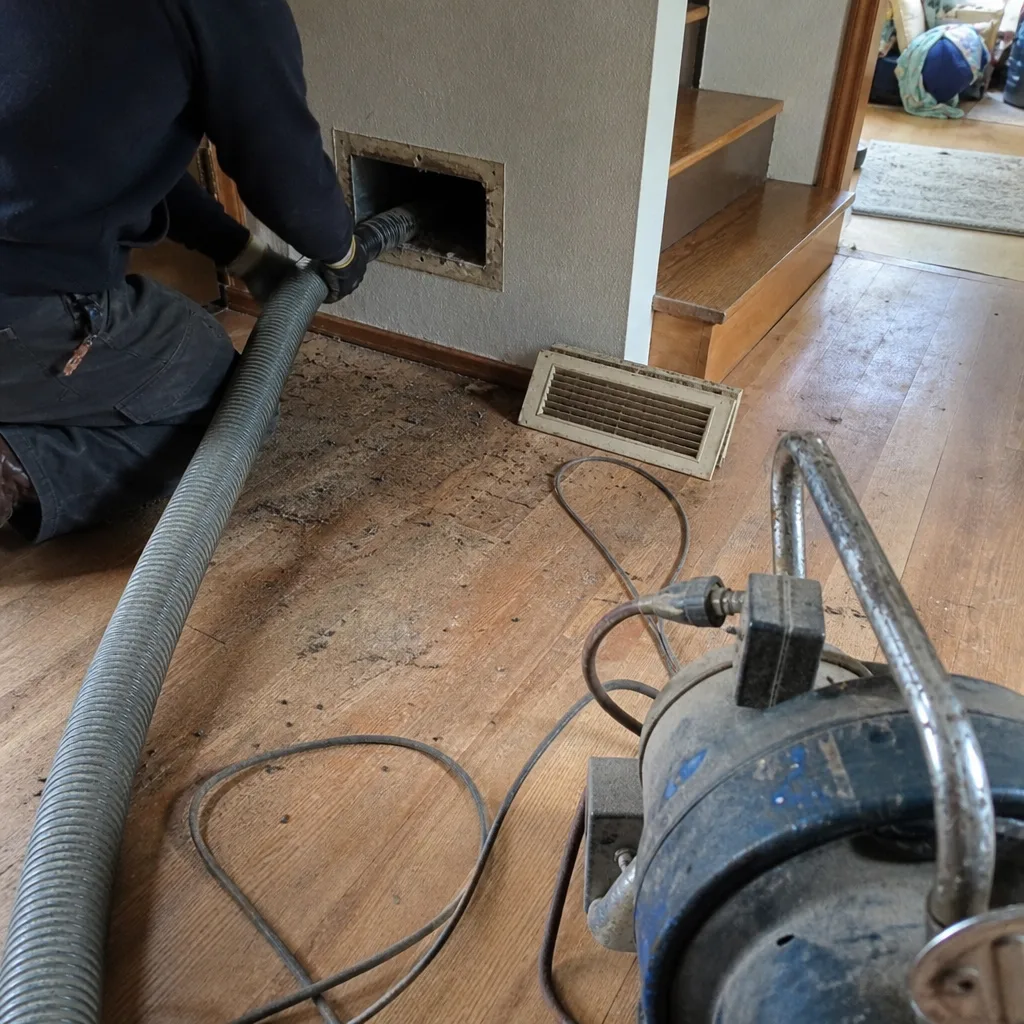 Before
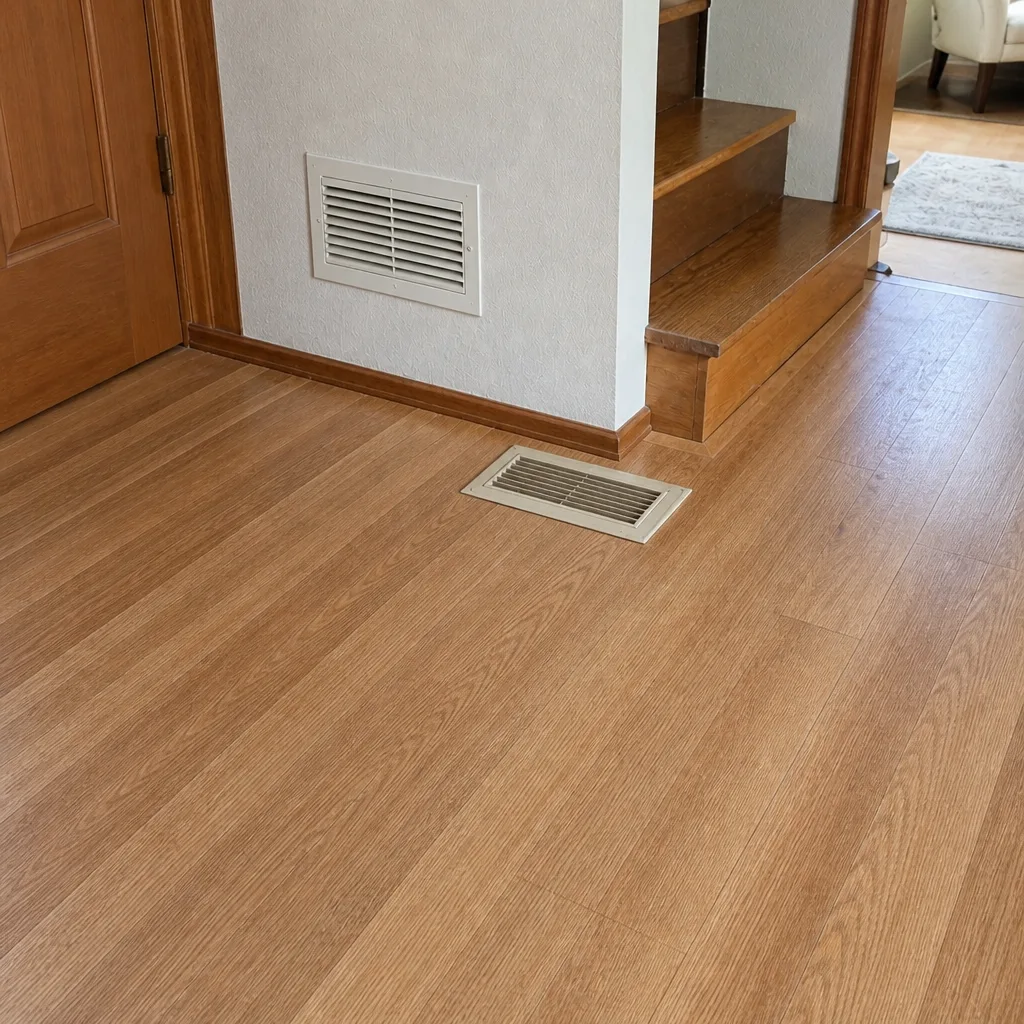 After
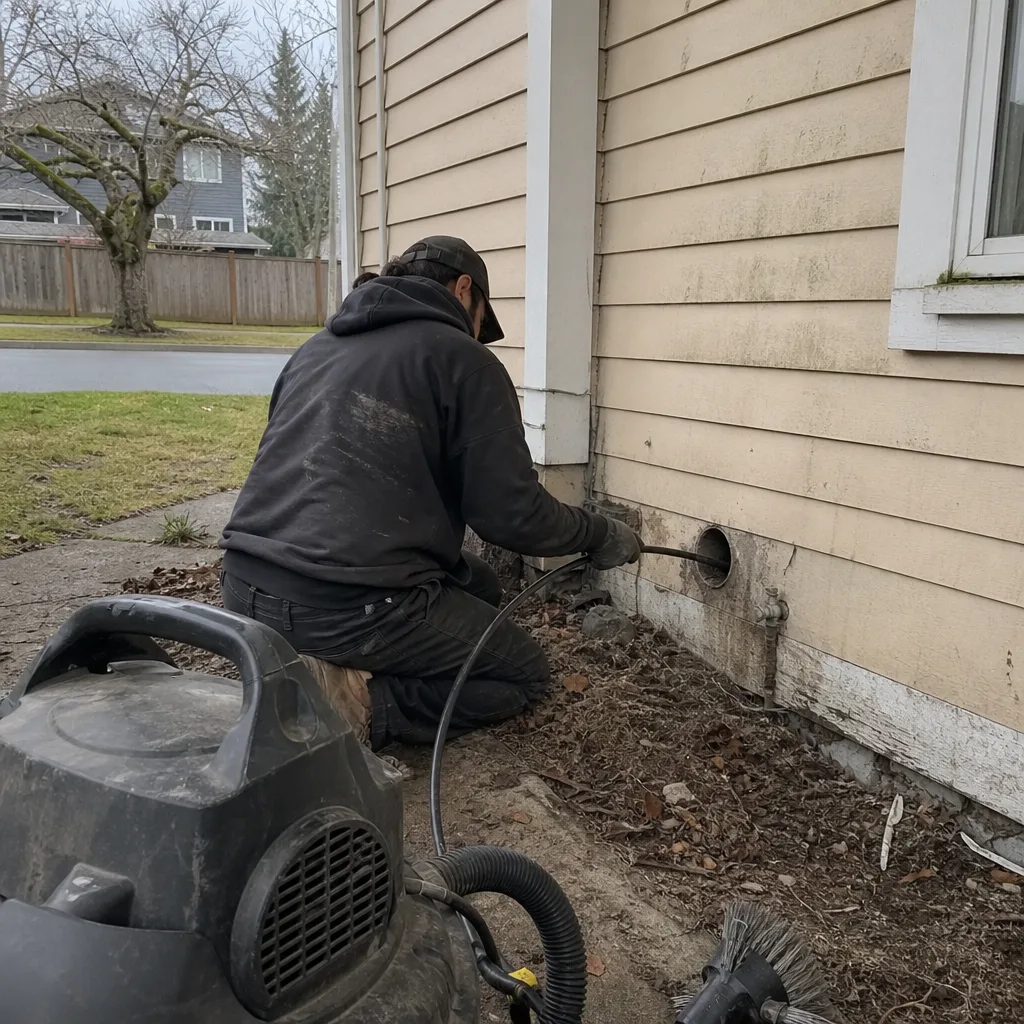 Before
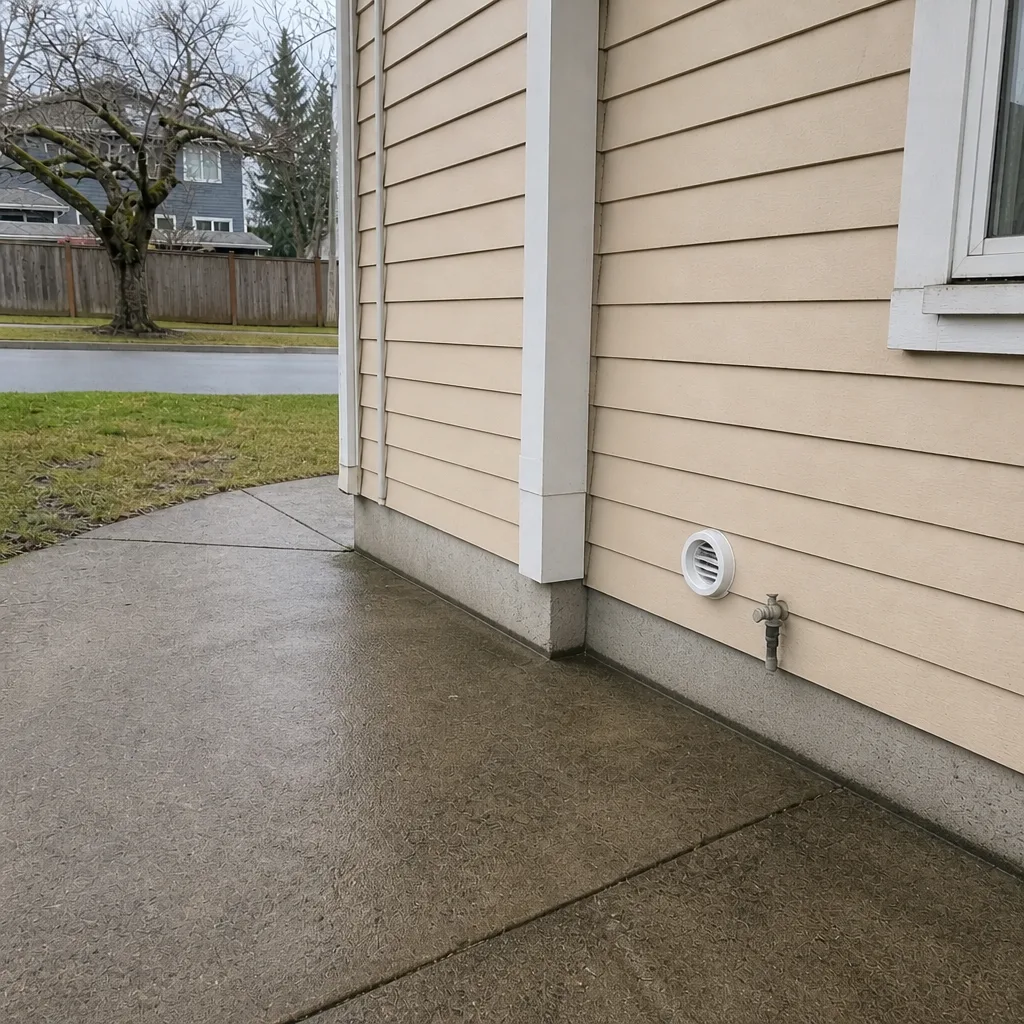 After
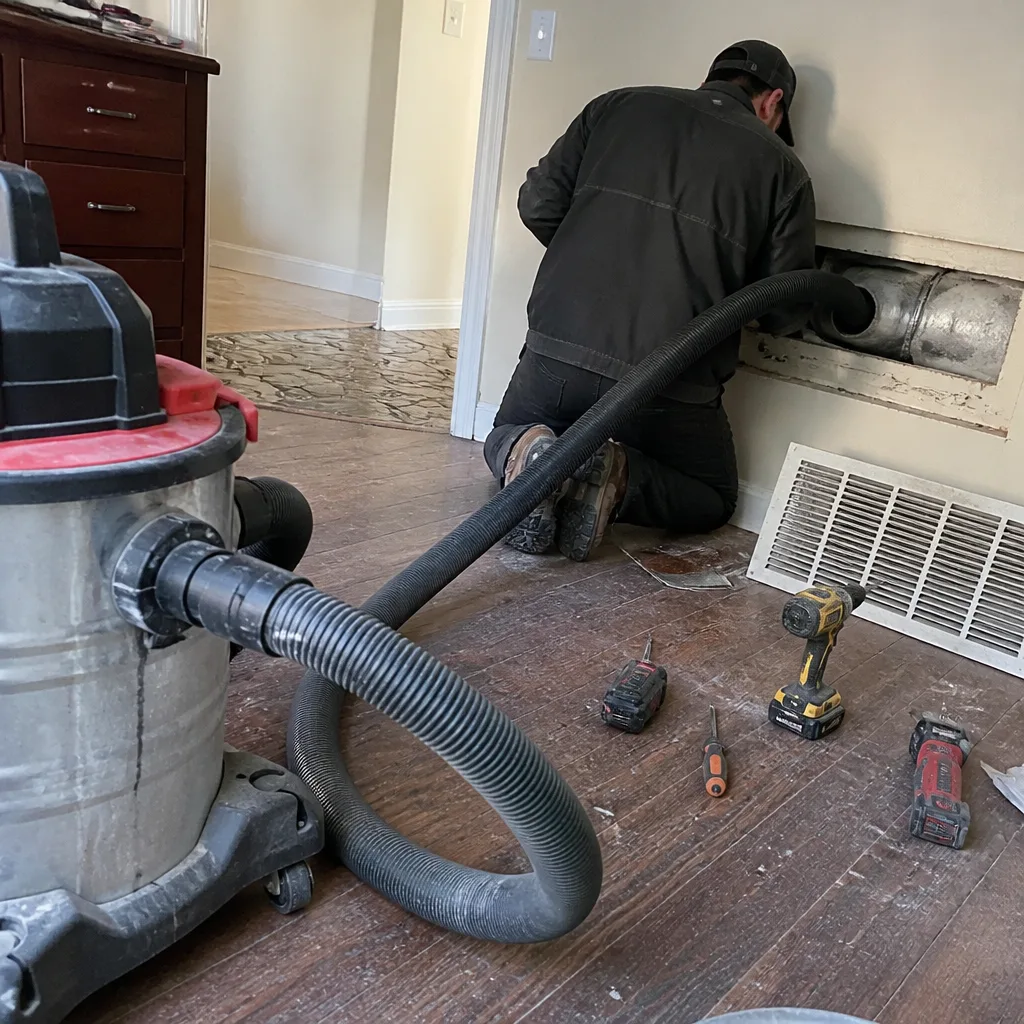 Before
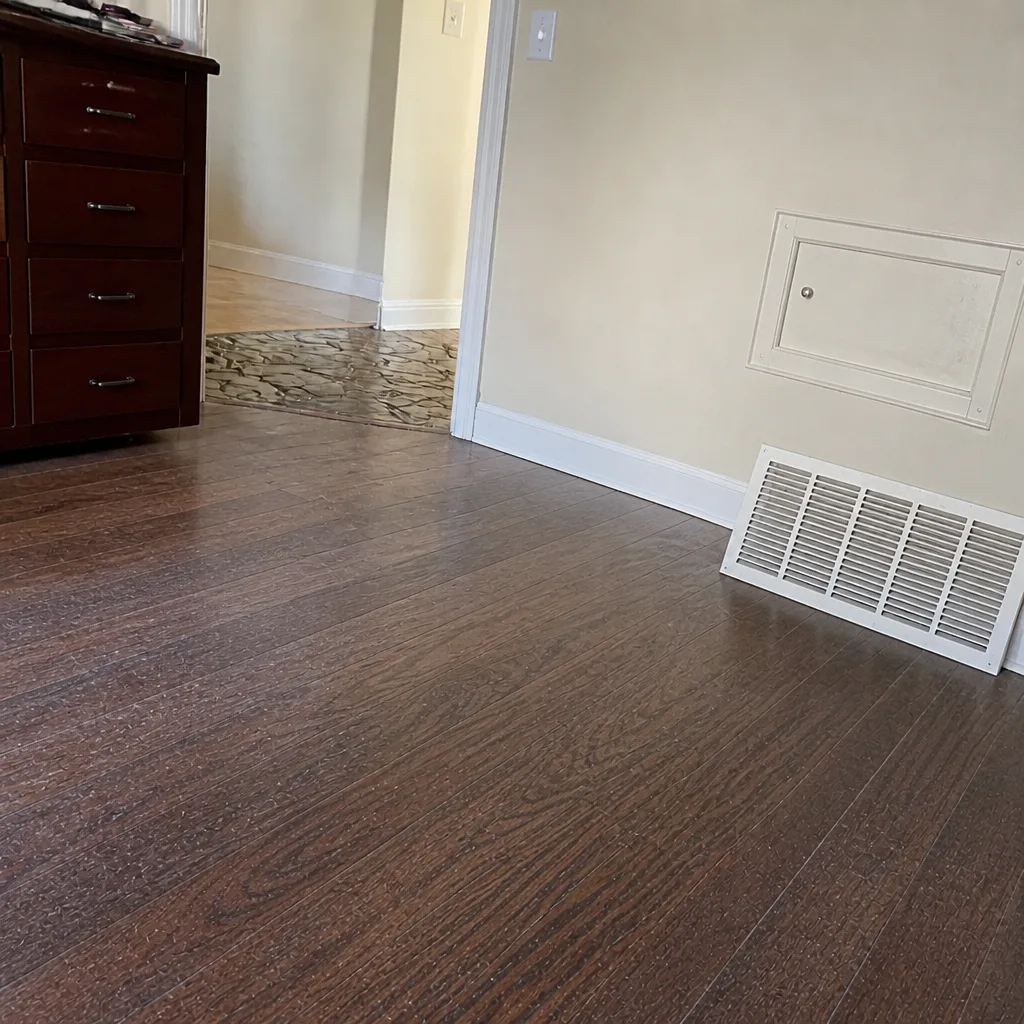 After
When to Call a Professional
Some duct conditions are fine to clean and forget. Others need a trained eye before anything is disturbed: visible damage or separation in an accessible duct run, moisture or standing water in a crawlspace duct system, a musty smell that returns after cleaning, an air handler cabinet with corrosion or gaps, or any pre-1980 home where the duct insulation is uncertain. If the work involves reconnecting or replacing duct, the permit question alone is reason to bring in a licensed contractor rather than attempt it yourself. Cleaning and repair both involve heights, confined spaces, and in some cases suspect materials, and those aren’t jobs to learn on.
Air Duct Cleaning Green Lake offers free estimates in Green Lake. Call (877) 820-8098. We answer 24/7. Fast dispatch from 7am to 7pm, Sunday through Friday.
Frequently Asked Questions
No. Air duct cleaning is maintenance and does not require a permit in Washington State, including within Seattle city limits. Duct repair, replacement, and added runs generally do require a mechanical permit, so the permit question only arises when cleaning uncovers damage that needs fixing. Call (877) 820-8098 for an exact scope – estimates are free.
Duct repair typically needs a mechanical permit through Seattle DCI when the work replaces or alters ductwork: replacing a section of flex or rigid duct, reconnecting a separated run with new material, or adding or removing a supply. Whether a small reconnection counts is a question for the jurisdiction, so ask before work begins. Call (877) 820-8098 and we’ll walk through what your job involves – estimates are free.
The cheapest quotes are often per-vent prices that grow once the technician is on site, or a cleaning that skips agitation and HEPA extraction entirely. A whole-system price agreed in writing before work starts is the only number that doesn’t move. We quote one flat price per system. Call (877) 820-8098 for an exact quote – estimates are free.
Before-and-after photos of your own ducts. Ask for them up front, and ask what equipment will be used on the job. We photograph every job and use Rotobrush rotary agitation with Nikro HEPA-filtered extraction, so dislodged debris is captured rather than recirculated. Call (877) 820-8098 for an exact quote – estimates are free.
There’s no code-mandated interval, and anyone quoting a fixed schedule is selling rather than assessing. In practice, the triggers are visible dust at the registers, a musty smell when the system starts, recent renovation work, or a system that’s never been cleaned. In Green Lake’s wet winters, a humid crawlspace is one more reason to check sooner rather than later. Call (877) 820-8098 for an exact quote – estimates are free.
Stop work and have the material tested by an accredited lab before anything else is disturbed. A licensed asbestos abatement contractor handles removal or encapsulation, and the mechanical work waits until that’s complete. This comes up most often in pre-1980 Green Lake homes. Call (877) 820-8098 if you want to talk through the sequence – estimates are free.
The Bottom Line
Cleaning doesn’t need a permit. Repair usually does, and Washington’s mechanical code is the standard that decides where the line falls. In Green Lake, older housing stock and retrofit ductwork mean disconnected and unsupported flex runs turn up often, and those are repair items. The rest is process: confirm the contractor’s registration, check the property’s permit history in the Seattle Services Portal, ask the pre-1980 insulation question before anything is disturbed, and insist on a written estimate that separates cleaning from repair. Do those four things and a duct project stops being a surprise.
Air Duct Cleaning Green Lake handles cleaning, dryer vent work, HVAC cleaning, duct repair and sealing, and air quality and sanitizing as a single scope, using Rotobrush and Nikro equipment with Abatement Technologies containment where it’s needed. See our dryer vent cleaning and HVAC cleaning pages for the related work, or call (877) 820-8098 for a free estimate. We answer 24/7. Fast dispatch from 7am to 7pm, Sunday through Friday.
Written by the team at Air Duct Cleaning Green Lake.